Hello!
My name is Takuto Fujioka, a “chiropractor specialized for guitarists.”
Thank you for your hard work today!
Are you all indulging in a little spending today as well? Whenever I have free time, I browse the Sound House website thinking, “Oh, I like that… oh, that’s nice too…” and I enjoy looking at all kinds of things. Just looking at guitar parts has a way of making me happy.
So today, I would like to introduce acoustic guitar parts that are easy to replace and can give your guitar an upgrade! Because acoustic guitars are, well, acoustic instruments, the parts you can swap are fewer compared to electric guitars. That makes the impact of each part on the guitar’s sound even greater.
I’ll mainly introduce some parts that I have personally tried replacing myself and found to be worth it. Let’s get started!
1. Bridge Pins
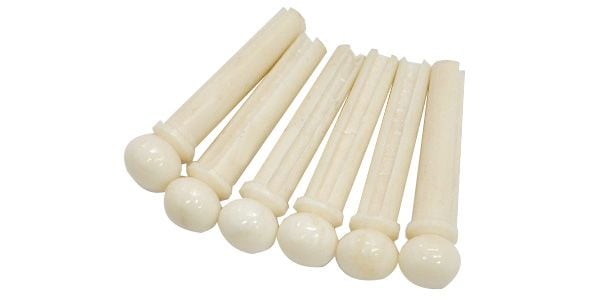
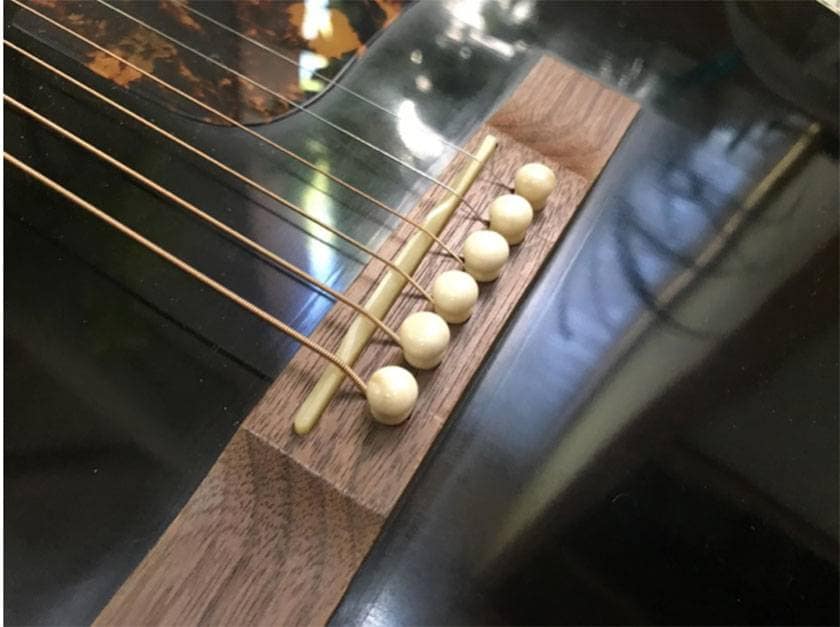
Bridge pins are parts used to hold the strings in place. You could even say they are characteristic parts unique to acoustic guitars. Various manufacturers sell bridge pins in different materials.
On lower-priced guitars, they are usually made of plastic. The next most common material is probably cow bone. In recent years, a newer material called TUSQ (synthetic ivory) from a manufacturer named Graph Tech has also become mainstream. Wooden bridge pins, such as ebony or rosewood, are also available as replacement parts. Additionally, there are metal bridge pins made from brass or titanium.
The hardness and weight of the material can change the tone, so you can choose from five main types: plastic, cow bone, TUSQ, wood, and metal, depending on your preference. There’s no strict “better” or “worse”; it’s truly a matter of taste.
If you want to increase both volume and range, go for harder materials like TUSQ or metal.
If you don’t need extra flash and want to emphasize the guitar’s natural tone, choose softer wooden materials.
If you want a balance of both, cow bone is a good choice.
By the way, all the guitars I own use cow bone bridge pins.
You can also feel a greater effect by replacing the nut and bridge at the same time, but if your string height adjustment and shaping aren’t precise, it could have the opposite effect, so the difficulty level is slightly higher.
2. Pegs
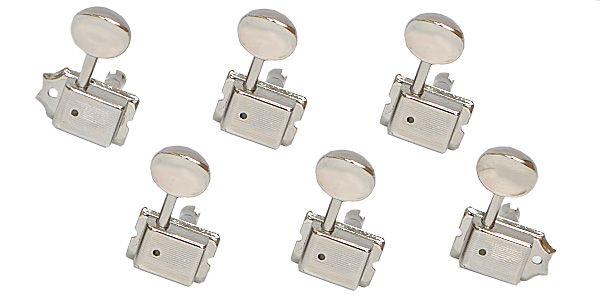
Pegs are parts that can be easily replaced as long as the size fits—you just need a screwdriver and a wrench.
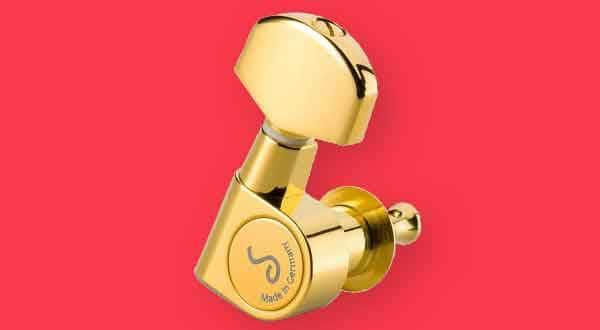
Pegs serve multiple roles: as string winders, as decorative elements, and as parts that affect the tone due to differences in weight.
This time, I want to focus on the last point of how differences in weight affect the tone.
There is a general trend in how the weight of guitar parts affects the tone:
Heavier parts expand both volume and range, especially boosting the low end.
Lighter parts may produce less resonance, but they allow the guitar’s natural tone to shine through.
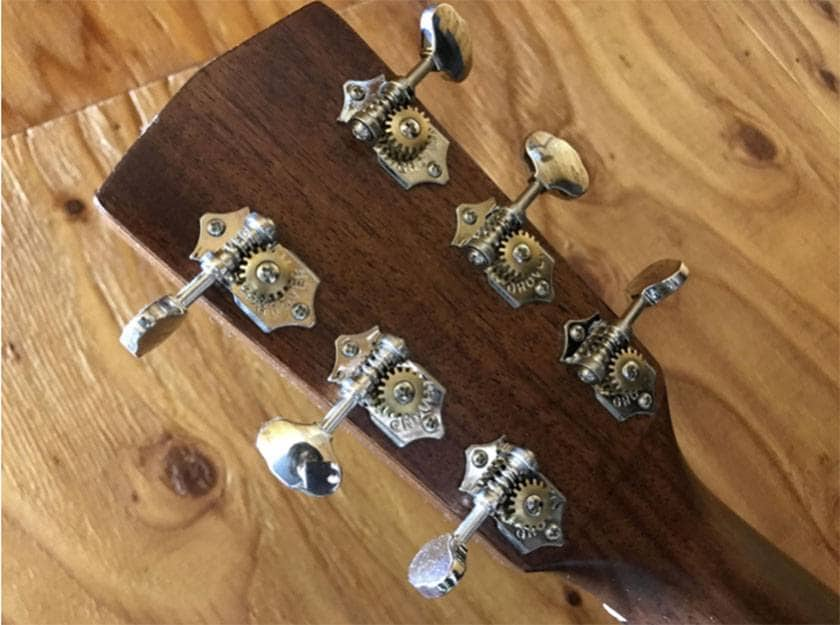
In the past, lower-priced models often came with lighter, simpler pegs. Simply replacing them with GOTOH-style locking tuners (Rotomatic) can bring a noticeable change in tone (and of course, improve tuning precision as well).
3. Soundhole Cover
PLANET WAVES / PW-SH-01
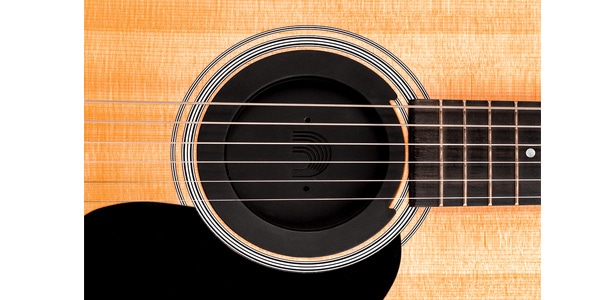
A soundhole cover may not upgrade the tone of your guitar, but it’s a convenient part that’s useful both for practice at home and for live performances.
Generally, it’s used to reduce volume or suppress feedback. However, one thing to note is that a soundhole cover does not significantly reduce the volume. Compared to the natural acoustic sound of an electric guitar, it’s still quite loud, so it’s not suitable for someone thinking, “I want to strum my acoustic guitar loudly late at night!” Since it does suppress the body resonance, it can be used to control volume at home. For example, if you want to practice singing quietly, but the acoustic guitar’s natural sound is too loud, causing you to sing too loudly. Additionally, with the body resonance reduced, subtle touches and nuances become easier to hear, making it possible to practice more critically.
For those using condenser-type pickups, it also helps suppress body resonance, which can reduce feedback. However, it will still slightly change the tone, so that’s something to consider depending on your preferences.
4. Fret Wraps
Gruv Gear / FretWraps String Muters Small Black
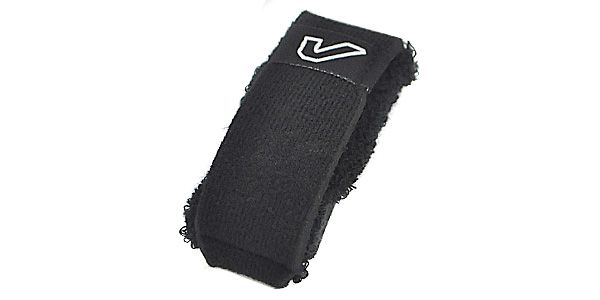
This is a less familiar accessory, but I’d like to introduce a “behind-the-scenes helper.”
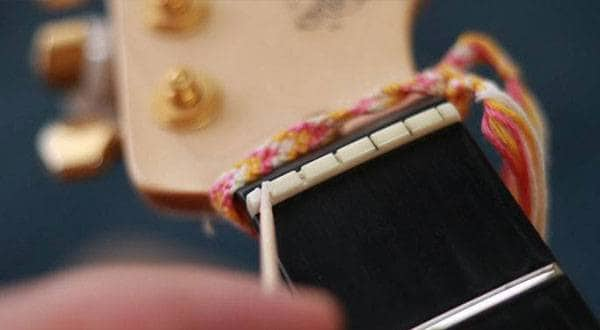
Fret wraps are placed between the nut and the tuning pegs to suppress unwanted string vibrations. You’ll often see them used by players performing technical work on electric guitars or basses, but I personally think they are also useful for acoustic guitars.
If you want to test the effect, try muting the strings between the nut and the pegs with a handkerchief or cloth. Muting the head side seems to reduce unnecessary overtones and resonance. Honestly, it may not be very noticeable during live performances, but it’s effective in recording situations. I especially recommend it for players who frequently use short, percussive strumming or cutting techniques.
5. PowerPins
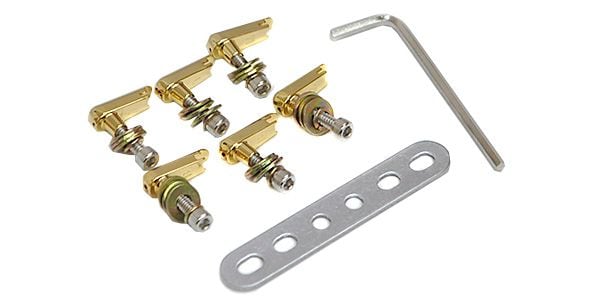
The last part I want to introduce is something I haven’t used myself, but it caught my attention, so I would like to share it.
This product, called a Power Bridge, is attached to the bridge pin area and makes string changes much easier. However, since it involves installing a metal part, it’s not just about making string changes simpler—you might also wonder how it affects the tone. I suspect it could slightly suppress the body resonance. Even so, eliminating the tedious task of removing bridge pins for string changes is a big advantage. It’s definitely a part I want to try at least once.
How was it?
If any of these parts caught your interest, I encourage you to try them out and enjoy the changes in your guitar!
There’s something really fun about customizing your guitar to your own preferences, isn’t there? (^O^)
See you next time!
The “sound & person” column is made up of contributions from you.
For details about contributing, click here.










![How to choose and order when replacing GOTOH guitar pegs [Latest in 2026]](/contents/uploads/thumbs/2/2021/5/20210524_2_12921_1.jpg)
 超オススメのフレーズ道場 アコースティックギター
 アコギの選び方
 パーツの配線を知ろう
 ピックアップの種類(アコースティックギター)
 弦の張り替え(アコースティックギター)
 お手入れに必要な道具
 Discount Sale
 Outlet
 New Arrivals
 Podcast (streaming)
 Headphones / Earphones
 Microphones
 Wireless Equipment
 Speakers
 Power Amps
 Mixers
 Processors
 Portable PA Systems
 Recorders
 Karaoke
 Guitars
 Basses
 Ukuleles
 Drums & Percussion
 Pianos / Synthesizers
 Wind Instruments
 Stringed Instruments
 Japanese Instruments
 Harmonicas, Other
 Software
 DJ & VJ
 Stands
 Cables & Connectors
 Racks & Cases
 Lighting
 Stage & Truss
 Video Equipment
 PC PERIPHERALS
 Power Supplies
 Studio Furniture
 Household Items, Other
 Alcoholic Beverages