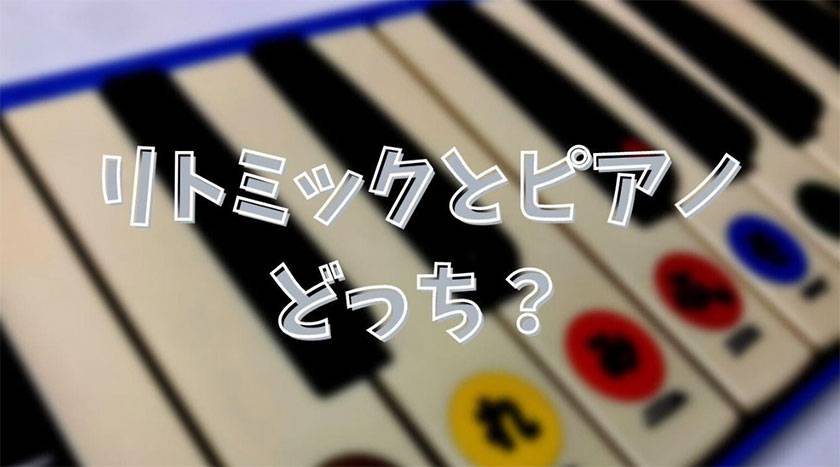
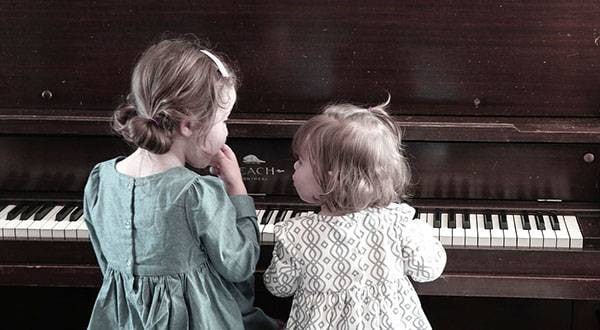
When it comes to music-related extracurricular activities, the piano has been a long-standing favorite, both in the past and present. But, have you ever heard of Rhythmics?
Rhythmics is not focused on learning music itself, but rather on laying the foundation for learning music.
It’s more like an extension of playtime in kindergartens or daycare centers, so even young children can enjoy learning.
So, let’s take a look at the advantages and disadvantages of both piano and rhythmics.
■ Benefits of Learning Piano
Parents who have experience with music may choose piano over rhythmics for their children.
Indeed, introducing a child to the piano at an early stage can have a significant impact on their musical abilities, including their sense of pitch and rhythm, which will influence their future growth.
○ Less Difficulty in Music Classes
When children enter elementary school and they start music classes, usually they already have been learning piano since a young age, so they are already familiar with reading music. This familiarity helps reduce difficulties in music classes.
Additionally, they may have the opportunity to play a key role as a piano accompanist in recitals and other performances.
○ Brain Activation
It is known that children who learn piano tend to have higher HQ (Human Quotient) scores.
Using both hands to play the piano seems to activate the entire brain.
This HQ score is much higher in children who play the piano compared to those involved in other activities like attending learning centers or sports classes.
○ Developing a Sense of Pitch
Pitch perception refers to a person's ability to distinguish sounds.
This includes recognizing differences in pitch (high and low notes), tone color, and dynamics (loud and soft sounds).
Unlike relative pitch, absolute pitch is said to be something that can only be developed during childhood.
While the level of precision may vary from person to person, most children who put effort into learning the piano during their early years are able to accurately identify at least some notes.
○ It Can Be Enjoyed as a Hobby Even in Adulthood
If a child learns to play the piano up to a certain level, they can easily pick it up again if they decide to stop.
On the other hand, if an adult tries to learn piano for the first time, it can take a considerable amount of time. For busy adults, this can be quite challenging.
○ Building Confidence by Performing in Public
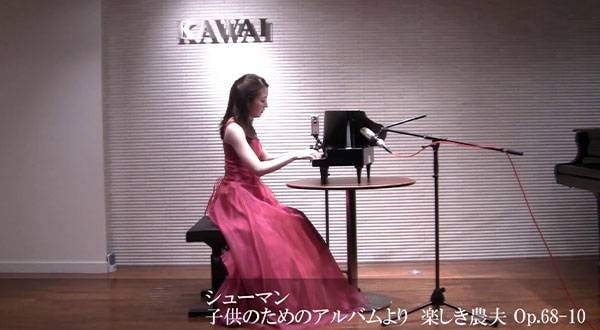
In classrooms with recitals, students get the opportunity to perform on stage.
There are few opportunities for children to perform solo on stage or be in the spotlight, so these performances become valuable experiences to overcome nervousness and improve concentration.
■ Disadvantages of Learning Piano
While there are many benefits, there are also some drawbacks.
Since many people have experienced learning the piano, many will likely agree with the following disadvantages.
○ Time Commitment for Practice
Naturally, you can't improve at the piano without practicing.
In the beginning, the novelty of playing might make it fun, but eventually, the practice can become a burden and cause stress.
Especially for children, there are many fun things besides the piano, such as video games, TV, and playing with friends.
Even if they don't dislike the piano, it’s not uncommon for children to quit because other activities can be more enjoyable.
○ It Can Be Expensive
To practice at home, a piano or an electronic keyboard is required.
Additionally, there are costs for sheet music, participation fees for recitals, costume expenses, etc.
Among extracurricular activities, piano lessons can be particularly expensive, and the more seriously a child becomes involved, the more the expenses accumulate.
■ Advantages of Learning Rhythmic (Rhythmic Movement)
Although not as mainstream as piano lessons, rhythmic movement (or "rhythmic") has many benefits.
Especially for parents with young children, it is worth considering rhythmic movement in addition to piano lessons.
○ Communication Through Parent-Child Participation
Many rhythmic classes encourage parent-child participation, which allows for communication between the parent and child.
In contrast to piano lessons, where children often only meet their teacher a few times a month and may struggle to connect, parents’ involvement in rhythmic lessons helps them bond with the teacher more easily.
○ Developing Rhythm and Sense of Sound
Although it doesn't involve formal piano lessons, many rhythmic classes emphasize developing absolute pitch (perfect pitch).
Through fun activities, children can naturally develop their sense of rhythm and sound without stress.
○ Developing Physical Abilities
Rhythmic movement involves moving the body to the rhythm of music, and many activities require the child to express music through movement.
Using tools like hula hoops or balls, children may walk, run, or jump. This not only helps develop a sense of rhythm and pitch but also improves basic physical abilities.
○ Improving Concentration
Rhythmic movement requires children to move and stop in sync with the music, which helps develop the ability to listen and make decisions based on sound.
By focusing on the music and coordinating their movements, children can also improve their concentration.
■ Disadvantages of Learning Rhythmic
Although it seems like there are only benefits, rhythmic movement is still different from piano lessons.
While the disadvantages aren't overly significant, there are things that can’t be developed in rhythmic movement that can only be done in piano lessons, so be aware of that.
○ Hard to See Short-Term Results
Rhythmic movement doesn't show immediate improvement when first started. It takes time and consistent practice to develop various abilities in children, such as physical coordination, judgment, concentration, and creativity. Therefore, it's important to view progress over the long term, as short-term results may be hard to notice.
○ Doesn't Improve Instrumental Playing Skills
While rhythmic movement may include rhythm games or occasional piano playing, the main goal of rhythmic movement is not to improve instrumental skills.
In contrast, today's children often exhibit high musical abilities, especially in playing the piano and drums. If you want to nurture a "super-child" player, especially for instruments like the piano or drums, it would be better to shift to piano lessons early on.
■ Which Should You Start With, Rhythmic Movement or Piano?
If you're unsure when to start, whether it’s piano lessons or rhythmic movement, you might be wondering what age is best to begin.
For piano, depending on the studio, children can start as early as around 2 and a half years old, especially if the parent accompanies them.
It is said that a child's brain develops about 80% by the age of 3, and the development of music and motor skills is most prominent between the ages of 3 to 5. During this period, slowly introducing the child to the piano or music helps them learn the joy of music while also nurturing their sense of hearing.
On the other hand, rhythmic movement can start from 0 years old with the parent’s participation.
The main goal of rhythmic movement is to foster various abilities like physical coordination, judgment, concentration, and creativity through music.
By being in an environment where they can experience music from a young age, children can develop their sense of rhythm, musical ear, and concentration.
Starting with rhythmic movement, if the child shows an interest in piano later, transitioning to piano lessons at that time will often lead to faster progress.
■ Conclusion
Whether it’s piano or rhythmic movement, it’s important to first attend a trial lesson to get a feel for the teacher and the atmosphere of their studio.
No matter which one you start with, the most important factor is the child's interest and motivation.
Especially for children, if they don't think it's "fun," no progress will be made. So, make sure to make the most of the trial lesson and choose the option that best fits your child.
The column "sound & person" is made up of contributions from our readers.
For details on how to submit, click here.

 Roland 電子ピアノデジタルピアノ購入ガイド
 おすすめの電子ピアノ
 自分にあったピアノを選ぼう!役立つピアノ用語集
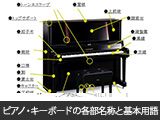 ピアノ・キーボードの各部名称
 キーボードスタートガイド
 キーボード・ピアノ講座
 Discount Sale
 Outlet
 New Arrivals
 Podcast (streaming)
 Headphones / Earphones
 Microphones
 Wireless Equipment
 Speakers
 Power Amps
 Mixers
 Processors
 Portable PA Systems
 Recorders
 Karaoke
 Guitars
 Basses
 Ukuleles
 Drums & Percussion
 Pianos / Synthesizers
 Wind Instruments
 Stringed Instruments
 Japanese Instruments
 Harmonicas, Other
 Software
 DJ & VJ
 Stands
 Cables & Connectors
 Racks & Cases
 Lighting
 Stage & Truss
 Video Equipment
 PC PERIPHERALS
 Power Supplies
 Studio Furniture
 Household Items, Other
 Alcoholic Beverages