Direct Injection Box / Direct Box / DI
Have you ever heard of a piece of equipment called a DI (Direct Injection Box)?
Those who know it, know it well.
Those who don’t know it, often have no idea what it does.
A DI is a standard piece of equipment in live venues and recording studios. However, for people who don’t play instruments—and even for students active in school bands—it may simply be known as ‘that box sitting on top of an amplifier’.
That was certainly the case for me when I was a student. I knew there was always one sitting on top of the bass amp, but I didn’t really understand what it was used for.
This time, I’m focusing on the sound quality differences between DIs.
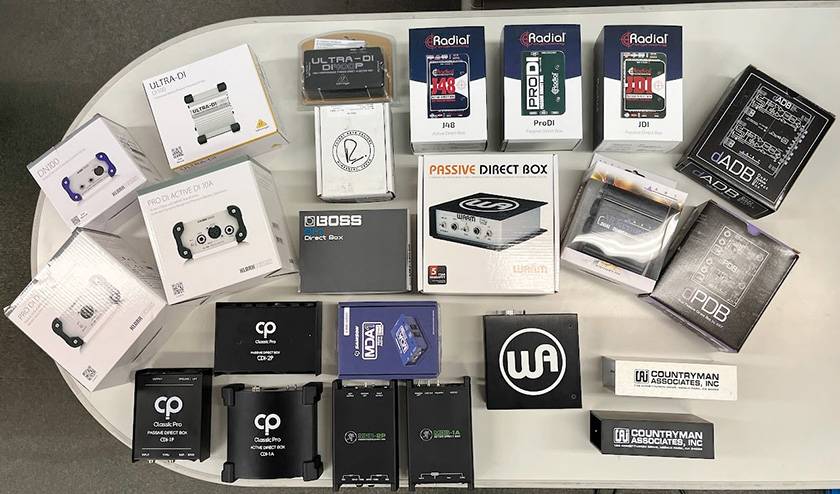
From entry-level models to industry standards and high-end professional units, I recorded and compared a total of 22 different DI boxes to see how much their sound actually differs.
“Does a DI really affect the sound?”
“Do expensive DIs actually sound better?”
If you’ve ever wondered about these questions, hopefully this comparison will be helpful.
To put it simply:
What Is a DI?
A DI is an impedance-matching device that allows instruments such as electric guitars, basses, and keyboards to be connected directly to mixers or audio interfaces. ‘DI’ stands for Direct Injection Box, commonly referred to as either a DI or a Direct Box.
What Does a DI Do?
1. Impedance Conversion
When a high-impedance signal from an electric guitar or bass is connected directly to a mixer or audio interface, various problems can occur, such as increased noise or loss of high frequencies. To avoid these issues, a DI is inserted in the signal path to convert the signal to low impedance. By routing an electric guitar or bass through a DI before connecting it to a mixer, the instrument can more accurately deliver its intended sound.
2. Converting Unbalanced Signals to Balanced Signals
There are two common types of signal connections: unbalanced connections (more susceptible to noise, suitable for short cable runs of around 5 meters or less) and balanced connections (resistant to noise, suitable for long cable runs). Most electronic instruments—including guitars, basses, and keyboards—output unbalanced signals. By converting these signals to balanced signals via a DI, long cable runs become much less susceptible to external noise.
The DI market ranges from affordable entry-level models to expensive high-end products from well-known manufacturers.
Although all DIs perform the same basic function, prices range from a few thousand yen to tens of thousands of yen.
“What exactly is different besides the appearance?”
“Do they actually sound different?”
I’ve often wondered.
So I decided to record them and find out.
To test a DI properly, a high-impedance signal is needed.
The problem is that it’s impossible to play an instrument with exactly the same volume, attack, and feel every single time.
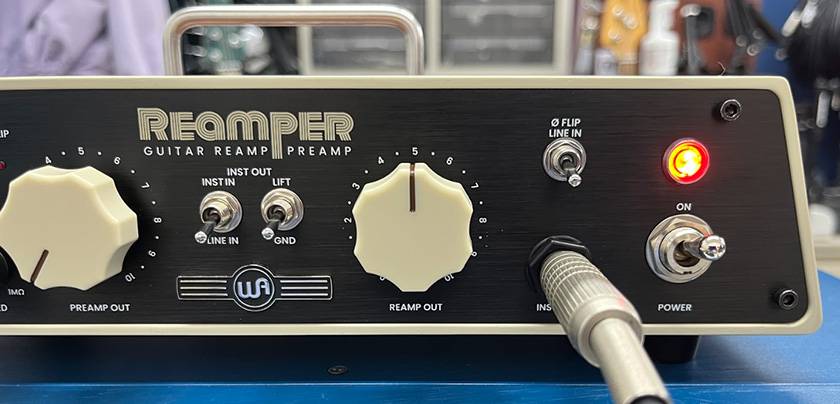
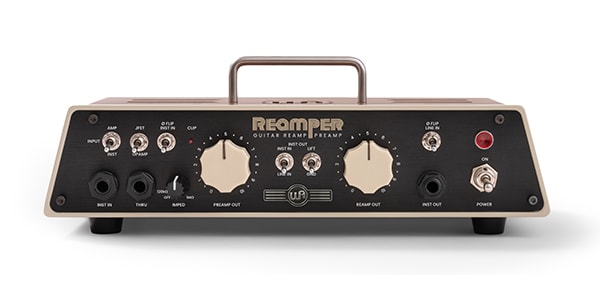
To solve this, I used the new Warm Audio Reamper.
Incidentally, I personally love the front panel design—it looks like something from an aircraft cockpit.
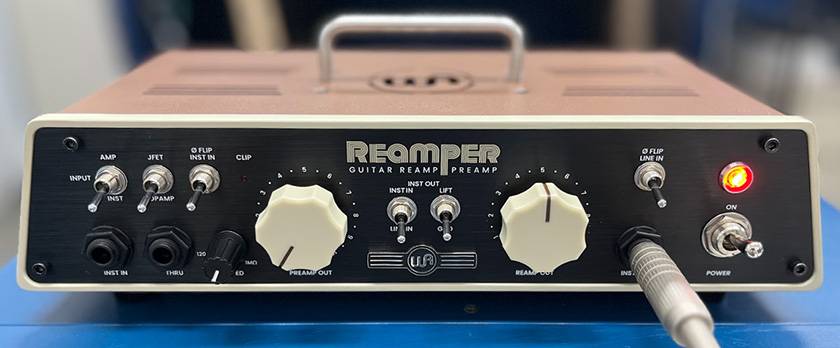
The Reamper can convert a line-level signal into a high-impedance instrument-level signal. In other words, by recording a dry reference track in advance, I can send that identical signal from my computer through an audio interface into the Reamper and then into each DI. This makes it possible to compare every DI using precisely the same performance.
Comparison Audio Source
Instrument Used: Active electric bass (fingerstyle → slap)
I’m sure there are plenty of things people could criticize—the performance, the noise, the phrasing—but please be kind. I recorded it during a short and precious window of free time after seeing my daughter off to school and before she came back home lol.
Signal Chain
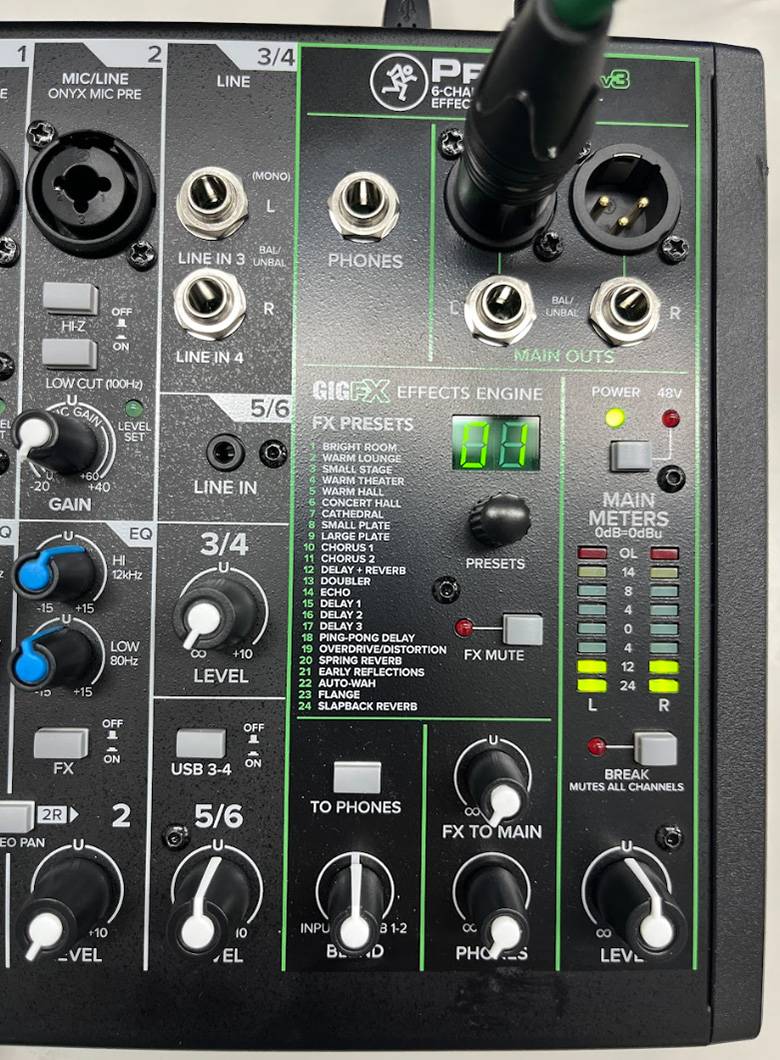
PC → ProFX6v3 → Reamper → DI → Ui24R
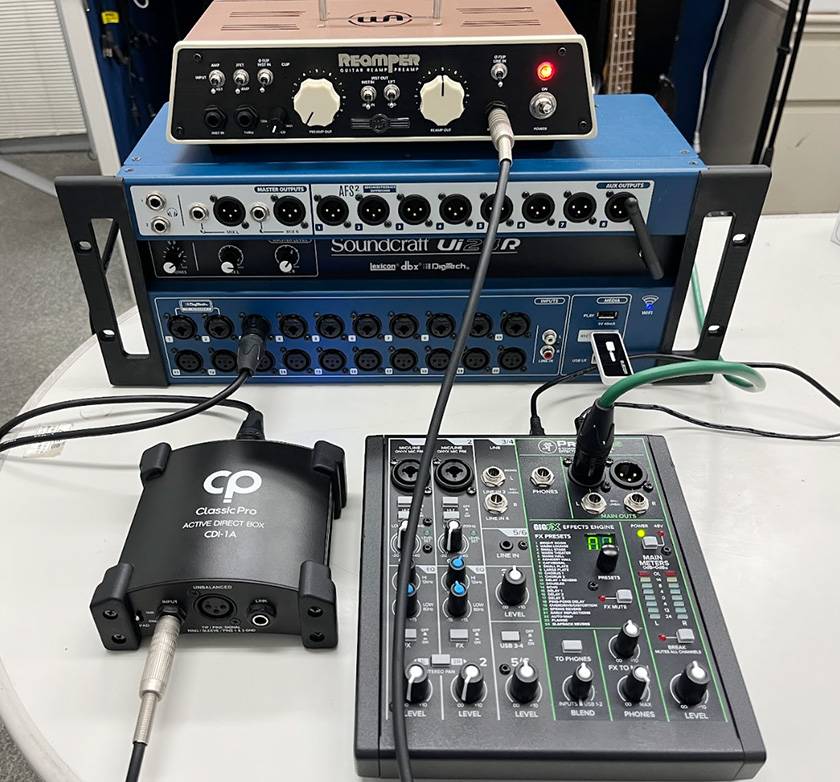
To maintain consistent testing conditions, all settings other than the recorder’s gain were kept identical.
Analog Mixer (Interface)
ProFX6v3: Both the CH5/6 and MAIN levels were set to U (Unity: 12 o’clock position)
Warm Audio Reamper
Reamp Out: 5 (12 o’clock position)
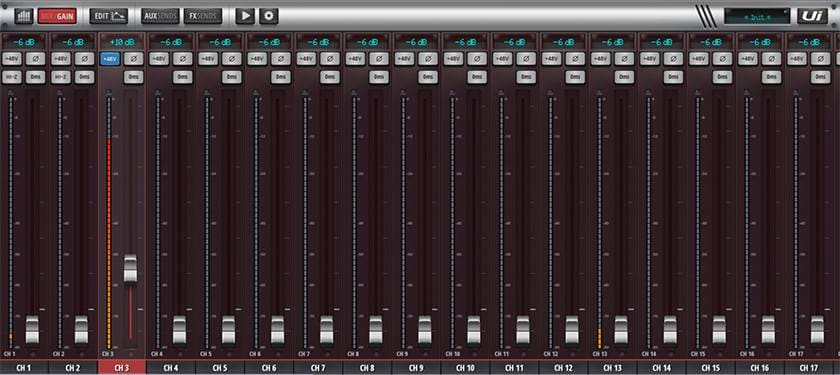
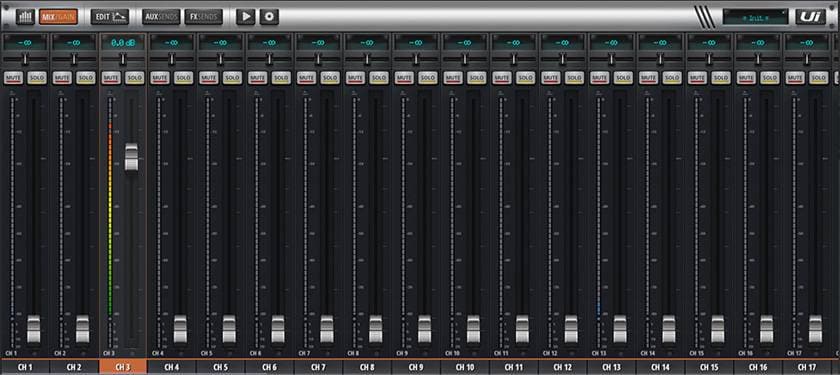
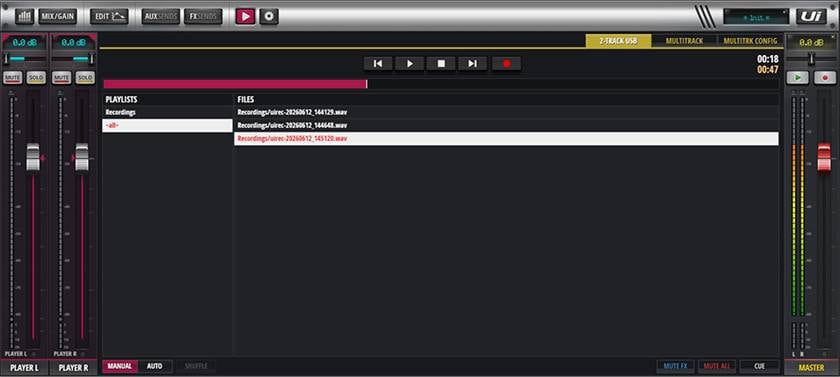
Ui24R (Recorder)
Gain: Adjusted according to each DI’s output level (with the meter set to -12)
Level: 0 dB
DI Settings
PAD: 0 dB (or OFF)
Low Cut: OFF (where available)
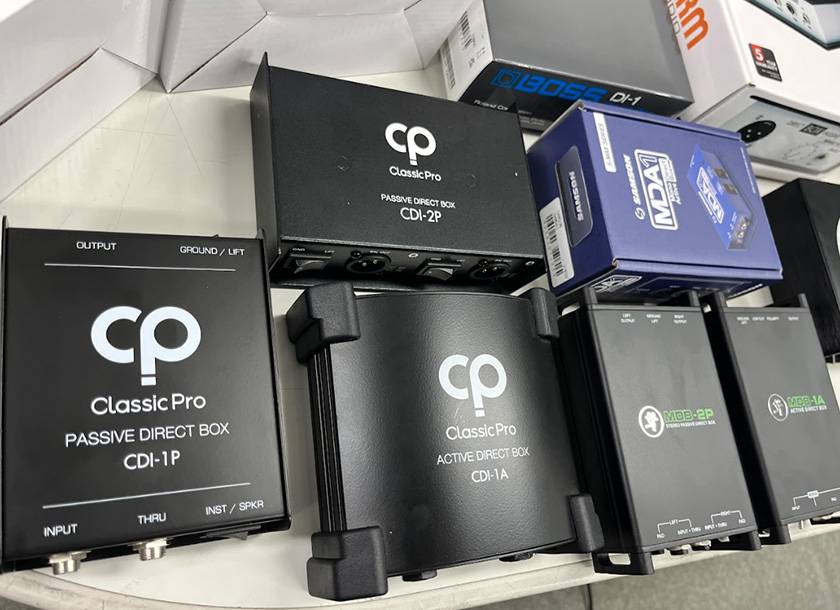
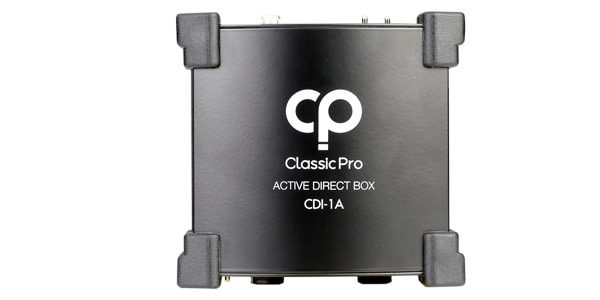
- CLASSIC PRO/CDI-1A GAIN +10dB (Active)
- CLASSIC PRO/CDI-1P GAIN +18dB (Passive)
- CLASSIC PRO/CDI-2P GAIN +18dB (Passive)
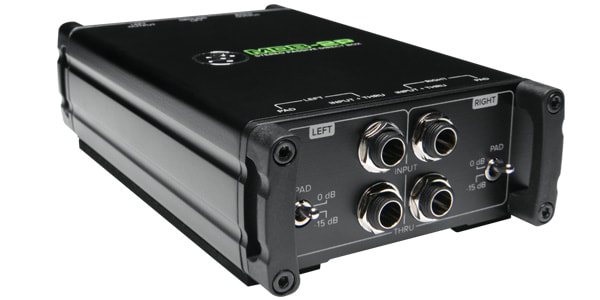
- MACKIE/MDB-2P GAIN +20dB (Passive)
- MACKIE/MDB-1A GAIN +0dB (Active)
- COUNTRYMAN/TYPE85 GAIN +12dB (Active)
- COUNTRYMAN/TYPE10 GAIN +4dB (Active)
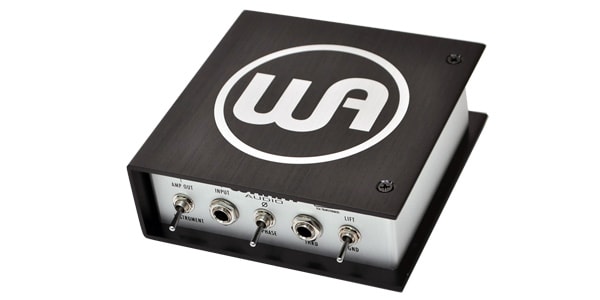
- WARM AUDIO/WA-DI-A GAIN +22dB (Active)
- WARM AUDIO/WA-DI-P GAIN +22dB (Passive)
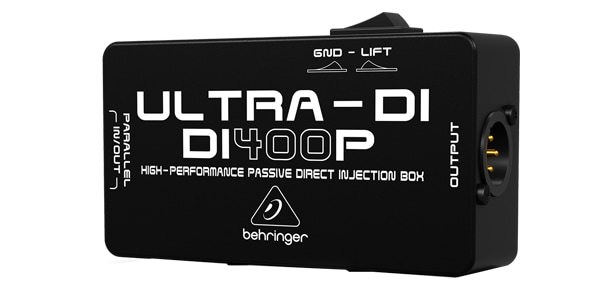
- BEHRINGER/DI400P GAIN +22dB (Passive)
- BEHRINGER/DI100 GAIN +2dB (Active)
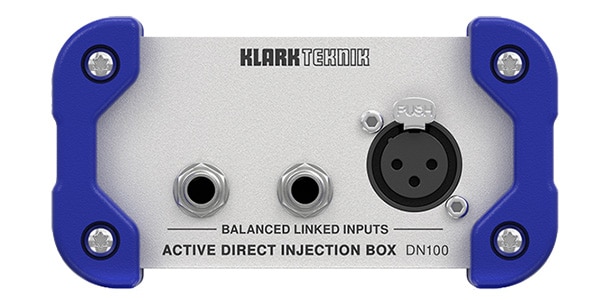
- KLARK TEKNIK/DN100 GAIN +2dB (Active)
- KLARK TEKNIK/DN10A GAIN +2dB (Active)
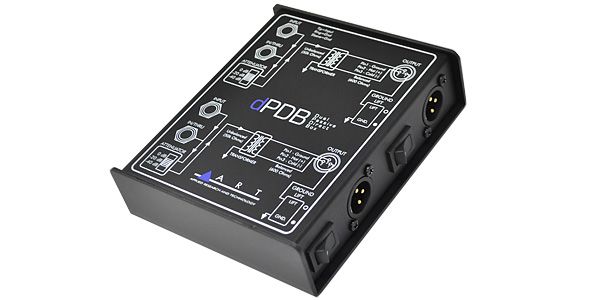
- ART/dPDB GAIN +20dB (Passive)
- ART/dADB GAIN +4dB (Active)
- ART/Dual X Direct GAIN +4dB (Active)
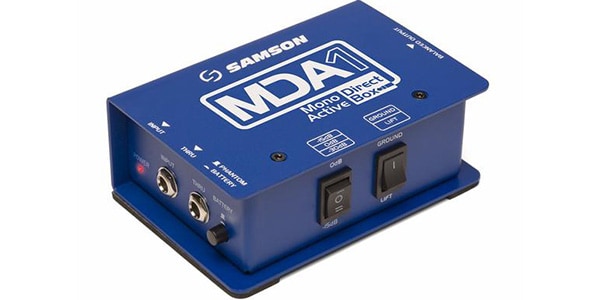
- SAMSON/MDA1 GAIN -4dB (Active)
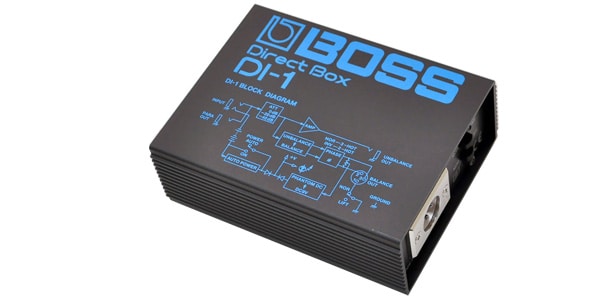
- BOSS/DI-1 GAIN -4dB (Active)
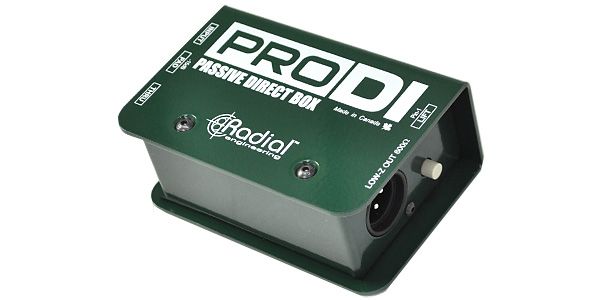
- RADIAL/ProDI GAIN +22dB (Passive)
- RADIAL/JDI GAIN +22dB (Passive)
- RADIAL/J48 GAIN -4dB (Active)
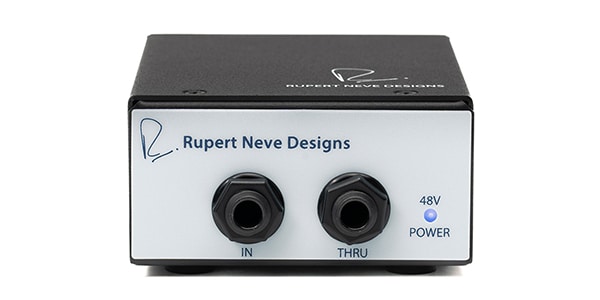
- Rupert Neve Design/RNDI-M GAIN +12dB (Active)
The dB values listed next to each product indicate the Ui24R gain setting required to achieve a meter reading of -12.
The values varied considerably, but the overall trend was:
Passive DIs: Required higher recorder gain (lower output level)
Active DIs: Required lower recorder gain (higher output level)
Among them, the Samson MDA1, BOSS DI-1, and Radial J48 produced particularly strong output levels.
In other words, less gain was required from the mixer, which also means less mixer-generated noise.
Comparison Audio Samples
My Impressions After Listening to All 22 Models
I’m intentionally not going to write individual impressions for each model (To be honest, I couldn’t find a good way to describe the differences between all 22 models anyway lol).
- A low-priced DI does not necessarily sound bad.
- There are definitely audible differences between manufacturers and models.
- However, the differences are generally subtle rather than dramatic, and are most noticeable when listening carefully through headphones.
- Higher-priced models tend to offer a greater sense of detail and resolution.
- In the end, it largely comes down to personal preference.
Somewhat surprisingly, my personal favorite was the industry-standard BOSS DI-1.
It’s hard to explain exactly why, but on first listen I felt that it had particularly solid low-end definition, a satisfying sense of weight in the bass, and a strong, well-defined presence in the high frequencies compared to many of the other models. There’s probably a reason why it’s available almost everywhere—it’s essentially the DI equivalent of the Shure SM58 in the microphone world.
Countryman Type 85 (now discontinued), a longtime favorite among bass players
Rupert Neve Designs RNDI-M, a highly regarded and popular choice among professionals
Warm Audio WA-DI-A, from the same company that makes the WA76 compressor, one of my personal favorites
These models also struck me as having what I would simply describe as a ‘great-sounding’ character.
A DI is not a piece of gear that dramatically changes your sound in the way an effects pedal does. However, if sound quality is important to you, choosing the right DI is definitely not something that should be overlooked.
Conclusion
In this comparison, we recorded and evaluated 22 different DI (Direct Injection) boxes under identical conditions to examine the differences in their sound.
The results could vary when connecting instruments directly or when using instruments other than a bass guitar. However, I believe this comparison provides a useful point of reference for anyone looking to choose the right DI.
If you’re considering purchasing a DI or are curious about the differences between industry-standard models and higher-end options, be sure to check out the comparison audio samples as well.
Hopefully, this comparison will help you find the DI that best suits your needs.





![[Guitarist’s Perspective] Equipment that is Thought to Improve Sound Just by Passing it Through Part 1 - Direct Boxes](/contents/uploads/thumbs/2/2023/2/20230202_2_21077_1.jpg)


![[PA] First direct box DI](/contents/uploads/thumbs/5/2020/11/20201125_5_11656_1.jpg)
![[2023] Hot Selling DI Boxes!](/contents/uploads/thumbs/2/2019/12/20191220_2_8749_1.jpg)
 DI(ダイレクトボックス)とは
 WARM AUDIOとは
 ポータブルPAシステム特集
 CLASSIC PRO 簡易PAシステム特集
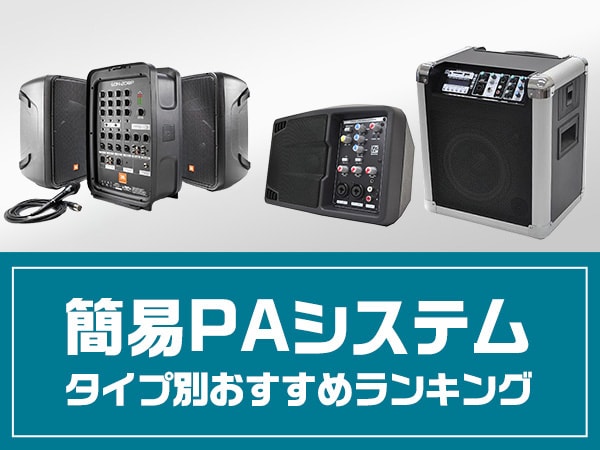 簡易PAシステム タイプ別おすすめランキング
 簡易PAセットとは
 Discount Sale
 Outlet
 New Arrivals
 Podcast (streaming)
 Headphones / Earphones
 Microphones
 Wireless Equipment
 Speakers
 Power Amps
 Mixers
 Processors
 Portable PA Systems
 Recorders
 Karaoke
 Guitars
 Basses
 Ukuleles
 Drums & Percussion
 Pianos / Synthesizers
 Wind Instruments
 Stringed Instruments
 Japanese Instruments
 Harmonicas, Other
 Software
 DJ & VJ
 Stands
 Cables & Connectors
 Racks & Cases
 Lighting
 Stage & Truss
 Video Equipment
 PC PERIPHERALS
 Power Supplies
 Studio Furniture
 Household Items, Other
 Alcoholic Beverages