Guitars and basses use a variety of screws and nuts. Even during normal playing, screws and nuts gradually loosen due to string vibration, changes in temperature and humidity, and the movement of your hands while playing. Even when new, after a few months of use it is common for some parts to have loosened.
However, if such looseness is left unchecked, it can lead to unexpected problems such as noise, parts falling off, or wiring breaking.
This time, I will explain the areas that are particularly prone to loosening, item by item, and provide detailed points for inspection and maintenance precautions. All of the checks can be easily done during daily inspections or when changing strings, so please use this article as a reference.
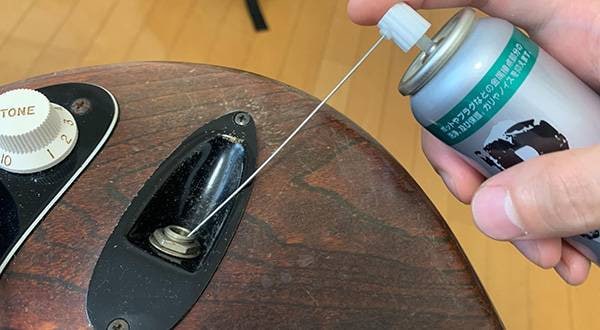
1. Jack (Output Jack)
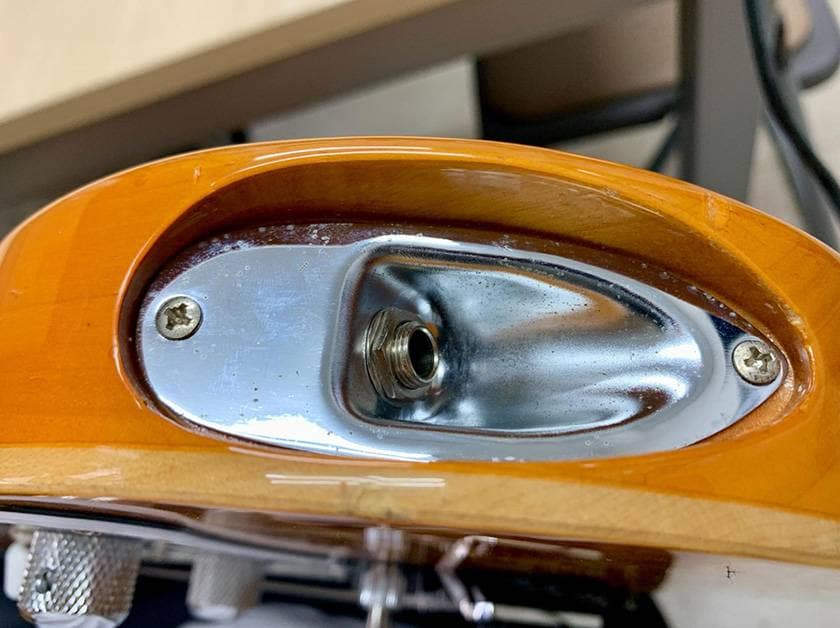
Personally, I feel that the part most prone to loosening is the jack. Many people have likely experienced it wobbling before they even noticed.
Main Causes of Loosening
- Minor vibrations from the strings
- Repeated plugging and unplugging of the cable
If the jack becomes loose, it can cause crackling due to poor contact, and in the worst case, a broken connection can result in no sound at all.
Precautions When Tightening
When tightening the nut on a jack, be sure to firmly hold the jack body from the back.
If you only turn the outer nut, the jack body may rotate along with it, which can twist the internal wiring and cause a break.
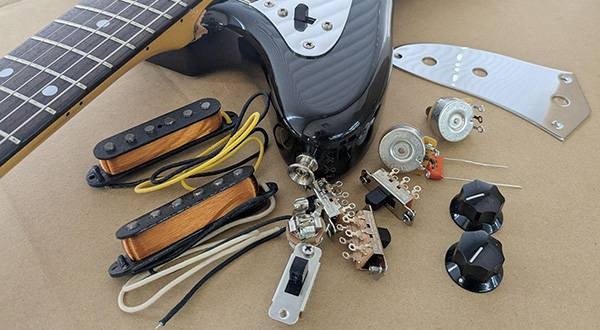
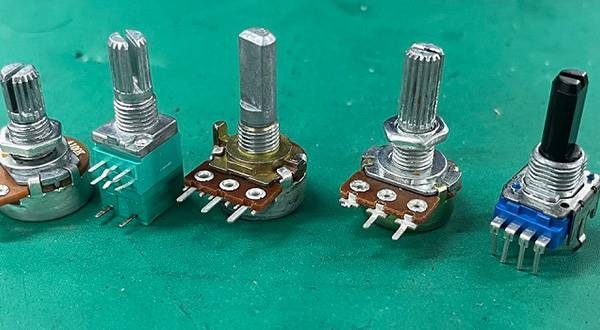
2. Volume / Tone Pots
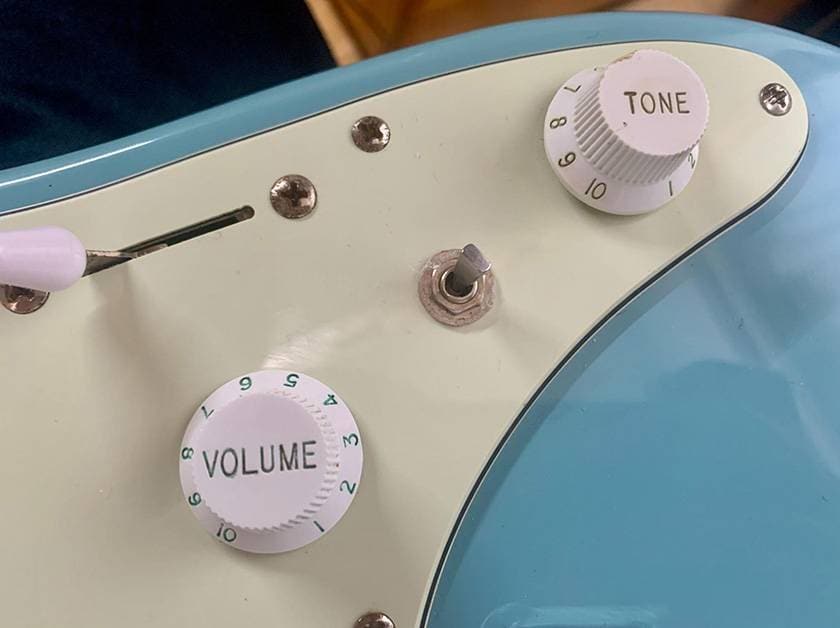
Pots with control knobs attached are surprisingly prone to loosening because they are frequently touched by hand during playing.
What Problems Can Occur When They Loosen?
- The knob becomes wobbly and difficult to use
- The pot body moves internally, potentially breaking the wiring
Maintenance Precautions
Just like with the jack, when tightening the nut on a pot, it is important to hold the pot body from the back. Internal wiring is very delicate, so work carefully to avoid pulling on the wires.
3. Strap Pins
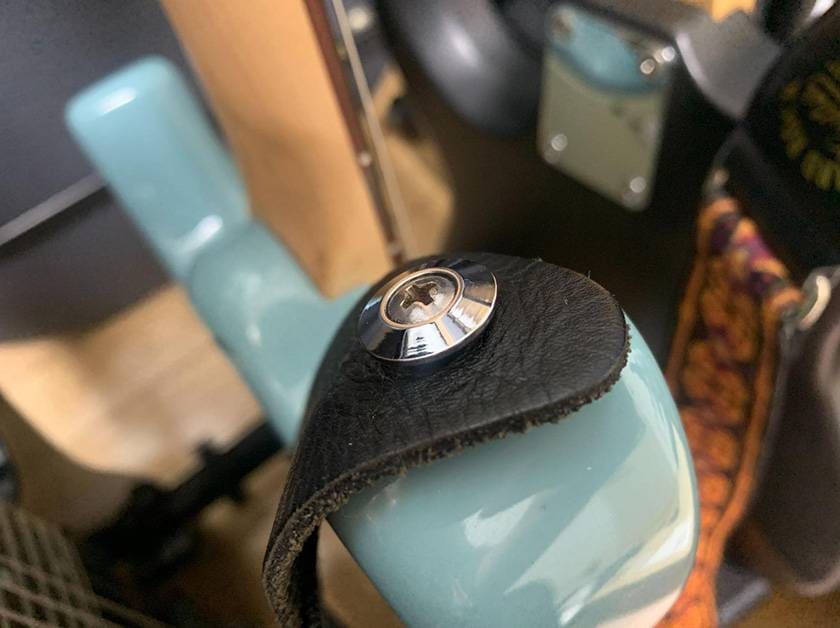
Strap pins support the weight of the guitar or bass. Therefore, the more frequently you use a strap, the more likely they are to loosen.
Causes of Loosening
- The instrument’s own weight
- Friction from the strap
If a strap pin is used while loose, in the worst case scenario, the instrument could fall during playing. This can not only damage the body but also lead to fatal problems such as a broken neck.
Maintenance Precautions
When tightening the screws, avoid applying too much force. Excessive force can cause the screw to spin without tightening.
Using a power screwdriver can apply too much torque, so hand-tightening is the safest approach.
Strap Users with Lock Pins Should Also Be Careful
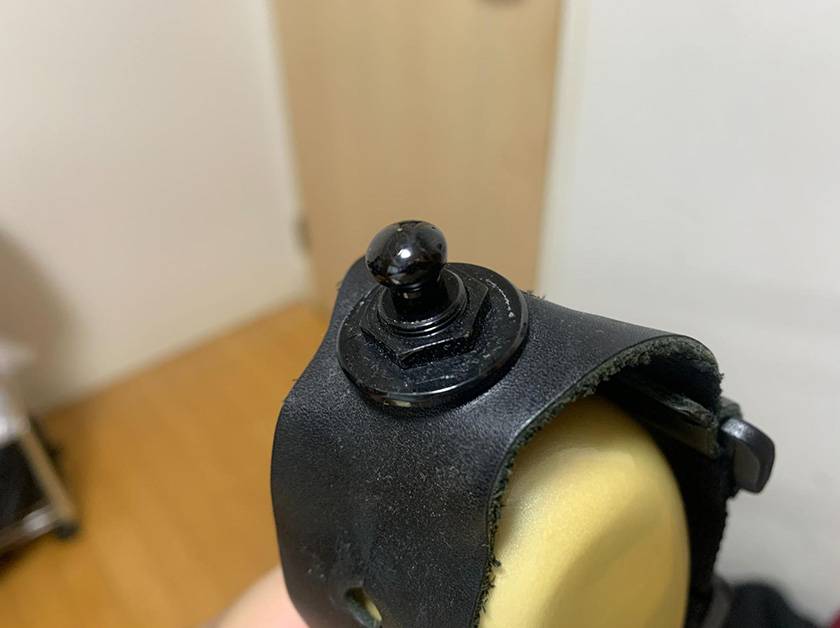
If you use lock pins, the nut on the strap side is also prone to becoming loose, so be sure to check it as well.
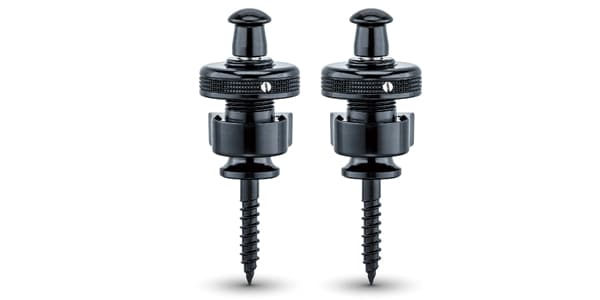
Lock pins with anti-loosening features are also available, so I recommend using these types.
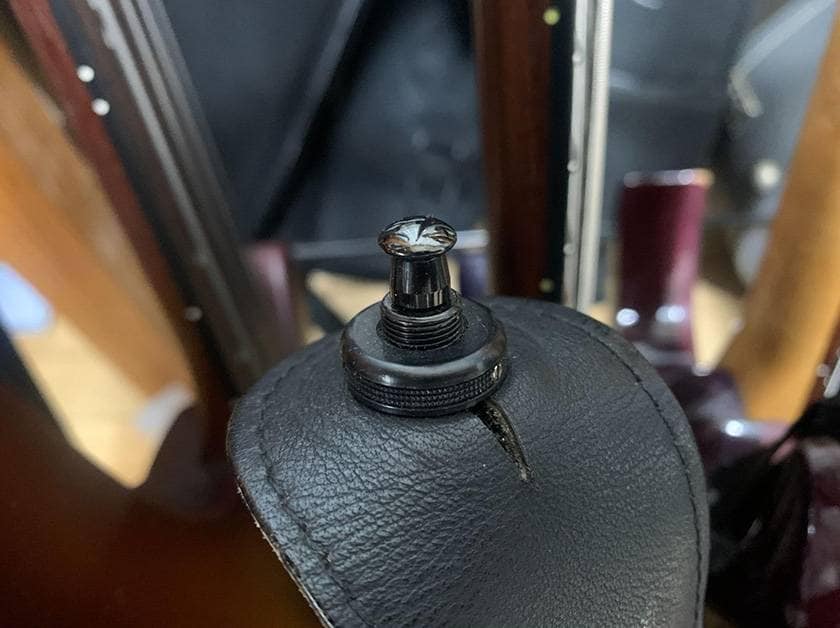
SCHALLER / S-Locks M Black Chrome
4. Pegs
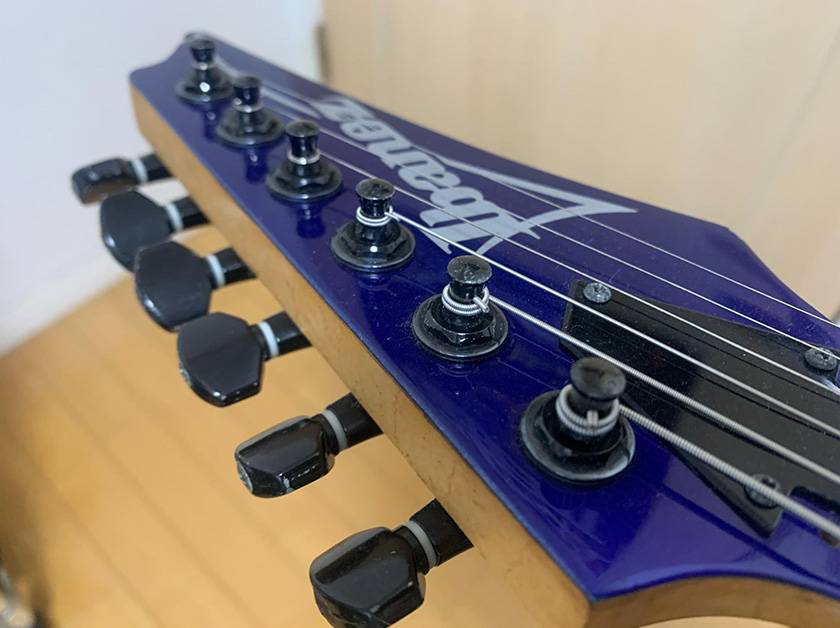
Loose pegs directly affect tuning stability. The headstock side is prone to vibrations, so the pegs can gradually loosen over time.
Parts Prone to Becoming Loose
- The nut that secures the peg body
- Small screws on the back of the peg
If these become loose, the entire peg can move slightly, affecting tuning stability.
Timing for Checks
It’s a good habit to check the nuts and screws to make sure they are not loose when changing strings.
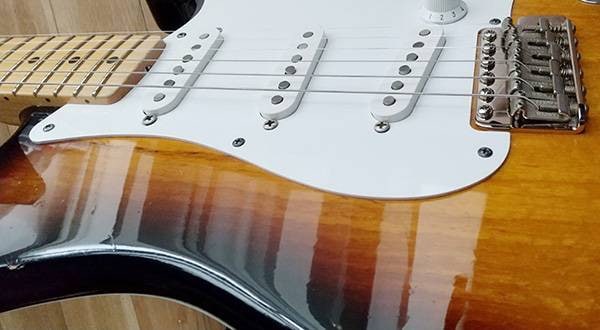
5. Pickup (PU) Height Adjustment Screws
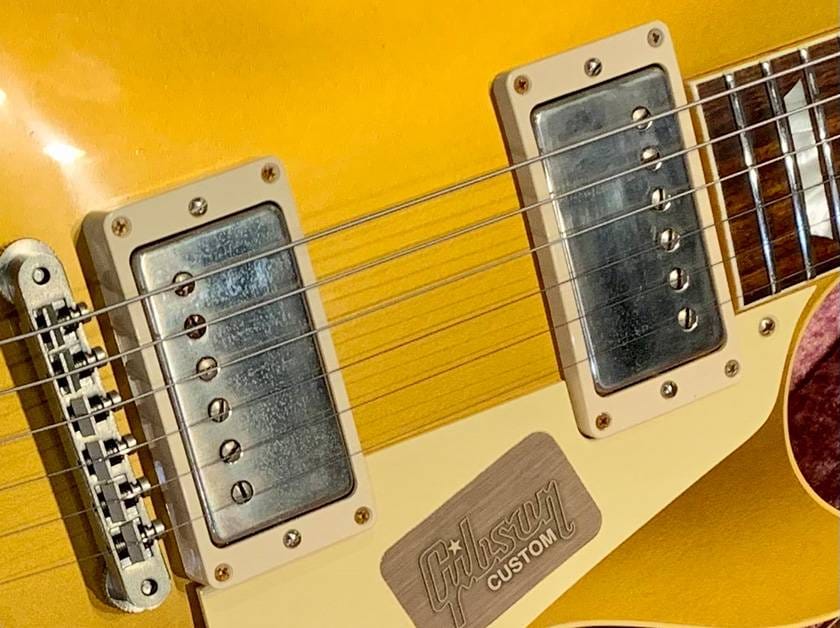
When pickups are mounted on a pickguard or escutcheon, their height can gradually change due to vibrations during playing.
If the PU drops, the distance from the strings increases, reducing output and clarity. In extreme cases, there is even a risk that the PU could come loose.
If you notice any change in sound compared to usual, be sure to check it.
Reference Column ↓
“Recommended Pickup Height Adjustment: Tone and Playability Change by Just a Few Millimeters”
Areas to Check Regularly (Bolt-On Joint)
If you use a bolt-on guitar, the screws at the joint that secures the neck to the body are also points that should be checked regularly.
What Happens if This Loosens?
- The neck angle shifts slightly, changing the action
- Fret buzz is more likely to occur (especially the top two screws of a 4-bolt joint)
When a guitar is used for many years, it is not uncommon for the screws to gradually loosen due to vibrations during playing or changes in humidity. Even if you think you tightened them properly, after six months to a year, they are often looser than expected.
Maintenance Precautions
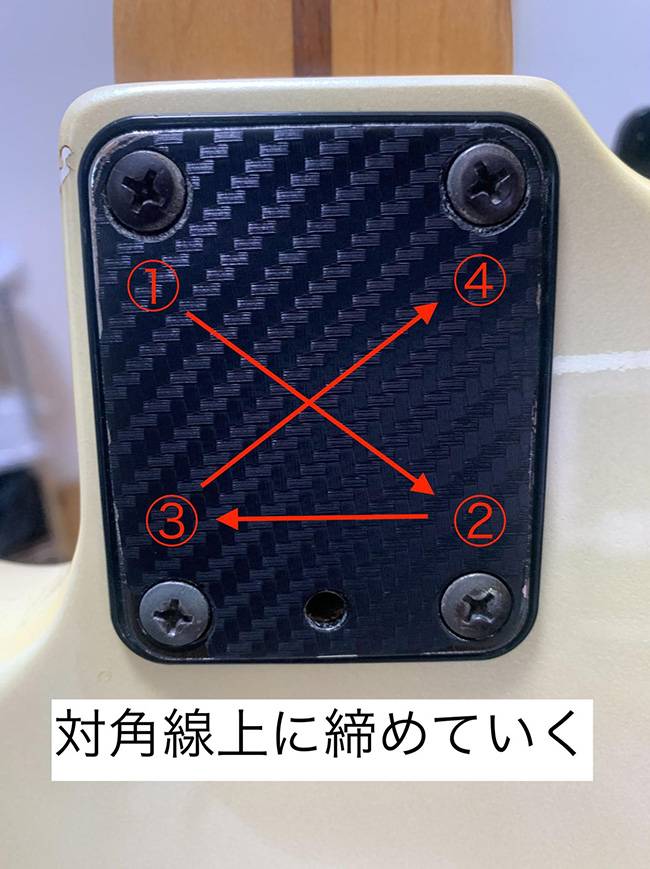
When removing the neck for maintenance, tighten the joint screws diagonally.
Also, instead of tightening them fully right away, first do a preliminary tightening and then the final tightening.
For these screws as well, avoid over-torquing, so hand-tightening is recommended.
Summary
The screws and nuts used on guitars and basses are all small parts, but if they loosen, they can lead to various problems.
By being aware that screws and nuts can loosen and checking them regularly, you can significantly reduce instrument-related issues.
To keep your valuable instrument in good condition for a long time and use it with peace of mind, be sure to incorporate these points introduced here into your daily maintenance.
The “sound & person” column is made up of contributions from you.
For details about contributing, click here.






 ALLPARTS特集
 ギターパーツの沼
 DIY ギターメンテナンス
 プレイテックのギターを最強に改造!!
 ギターの種類
 ギターのお手入れ
 Discount Sale
 Outlet
 New Arrivals
 Podcast (streaming)
 Headphones / Earphones
 Microphones
 Wireless Equipment
 Speakers
 Power Amps
 Mixers
 Processors
 Portable PA Systems
 Recorders
 Karaoke
 Guitars
 Basses
 Ukuleles
 Drums & Percussion
 Pianos / Synthesizers
 Wind Instruments
 Stringed Instruments
 Japanese Instruments
 Harmonicas, Other
 Software
 DJ & VJ
 Stands
 Cables & Connectors
 Racks & Cases
 Lighting
 Stage & Truss
 Video Equipment
 PC PERIPHERALS
 Power Supplies
 Studio Furniture
 Household Items, Other
 Alcoholic Beverages