For those of you who perform solo with acoustic guitar or piano, are you having trouble finding places to play?
Live houses tend to favor bands, as it can be quite difficult for solo acts or duos to meet ticket quotas.
Because of this, acoustic events are quite popular among performers, and there are often too many applicants to participate.
So, perhaps it might be better to try planning a concert yourself!
Depending on the scale, starting an event isn’t actually that difficult.
I have loved music-related gatherings since my student days and frequently organized events by bringing people together.
This time, based on that experience, I have written an example of the process leading up to hosting an event, so please use it as a reference.
1. Finding a Venue
The first thing you need to consider is finding a place that will allow you to hold an acoustic event.
Places like live houses or jazz cafés, where performance environments are already set up, are good options, but hidden gems are venues that have never hosted such events before.
Gather a bit of courage and try negotiating with the owners of restaurants or similar establishments.
The author has negotiated with not only restaurants but also somewhat unusual venues such as supermarkets, hospitals, and stages at local festivals.
Since any business with a physical location wants to attract people, they may be more willing to listen than you’d expect.
That said, the easiest places to negotiate with are restaurants.
In particular, bars and izakayas that mainly operate at night.
However, other types of establishments may also be open to the idea depending on your proposal.
For example, when hosting an event at a ramen shop, the menu was limited to snacks like chashu and gyoza along with alcoholic drinks for that day.
Even ramen shops, which usually give the impression that customers eat quickly and leave, can work with a bit of creativity.
You can negotiate venue costs ranging from free to around 20,000 yen.
2. Necessary Equipment
Many restaurants and similar venues may already have speakers installed, but most of them are simply for listening purposes, so you shouldn’t rely on them. It’s best to prepare all the necessary equipment yourself.
○ PA System
Speakers facing the audience, an amplifier, and a mixer are essential.
The equipment installed in rehearsal studios often costs over 100,000 yen, so putting together something similar can get to be quite expensive.
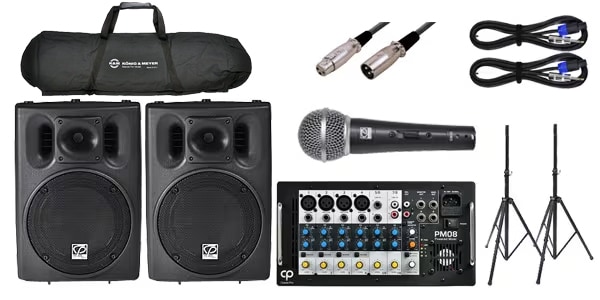
However, for an acoustic live performance with lower sound pressure, a CLASSIC PRO PA set can be assembled at a low cost. It even comes with microphones.
CLASSIC PRO / CLASSIC PRO PA Set CSP10 ×2 + PM08 + Microphones + Stands
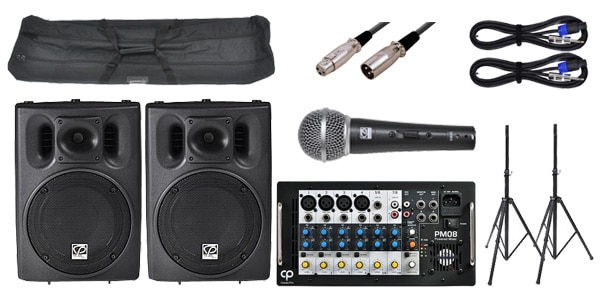
Although introduced for acoustic live performances, it has sufficient specifications to handle band performances as well, as long as the volume of live drums is kept low.
○ DI (Direct Box)
Since many performers at these events use electro-acoustic guitars, it’s a good idea to prepare a DI.
Using output from an amplifier is also an option, but many players will prefer a DI.
Most venues across the country use the BOSS DI-1. It has been sold for over 30 years without major changes to its appearance, so it’s probably familiar to you.
BOSS / DI-1 Standard Direct Box (DI)
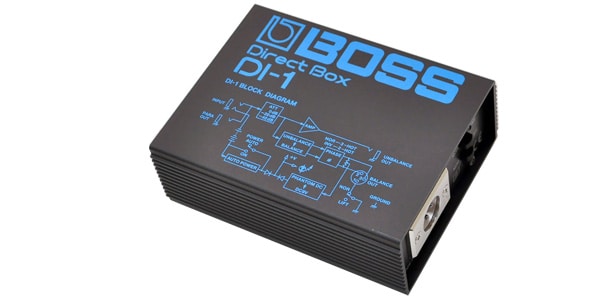
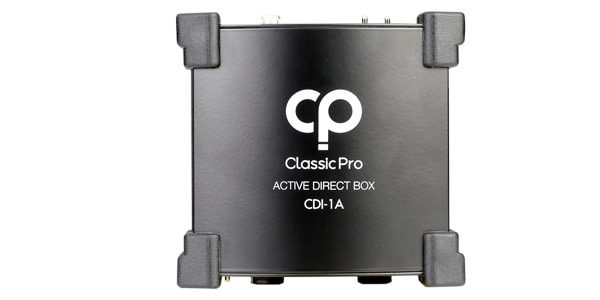
Since it’s such a classic product, it’s a solid choice, but CLASSIC PRO also offers a DI called the CDI-1A for just 2,980 yen.
Compared to the DI-1, which costs over 10,000 yen, it’s incredibly cheap, but judging from its high review ratings and specifications, it offers excellent price for its value.
If you’re planning for two acoustic guitar performers, you’ll need at least two units.
CLASSIC PRO / CDI-1A Active DI
○ Guitar Amplifier
Ideally, guitarists should bring their own, but if you’re the event organizer, you can’t really argue if someone says you should at least provide an amp.
It’s best to prepare a guitar amplifier if possible.
The JC-120 is an extremely standard amp in live houses and studios.
However, its output is quite high, making it overpowered for many venues.
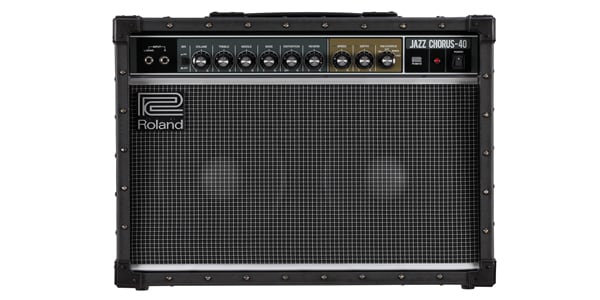
For acoustic live performances in places like restaurants, the JC-40 can produce more than enough volume.
Because of its size, it’s often thought of as a home amp, but in reality, it has enough power that you’d need to keep the volume quite low for home use.
ROLAND / JC-40 Guitar Combo Amplifier
Also, if you already own an amplifier, you can lend it to performers for use at the event, or you can rent one from a music store for around 5,000 yen per day.
○ Microphones and Accessories
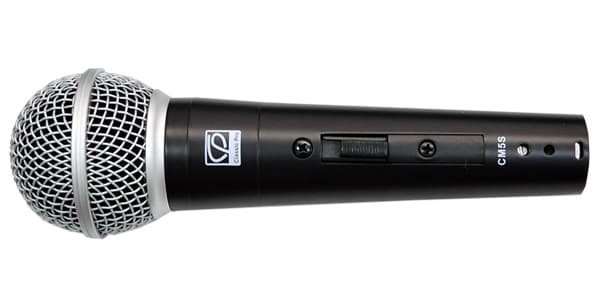
The CLASSIC PRO CM5S, which is included with the PA set introduced earlier, is an incredibly cost-effective product.
The product page even boldly claims, “Unbeatable best-seller with unmatched cost performance!” and that statement truly holds up—it almost makes you wonder if Sound House is making any profit from it at all.
CLASSIC PRO / CM5S Dynamic Microphone
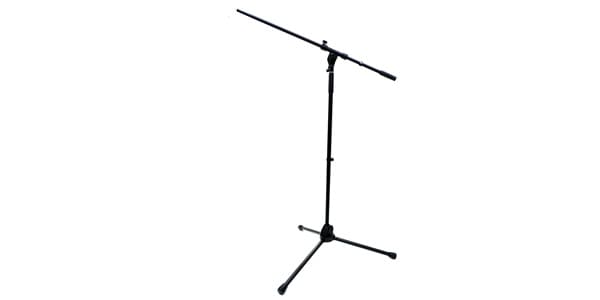
You can also keep initial costs down by choosing CLASSIC PRO products for items like boom stands and MIX050 microphone cables.
CLASSIC PRO / MSB/BLACK Boom Microphone Stand
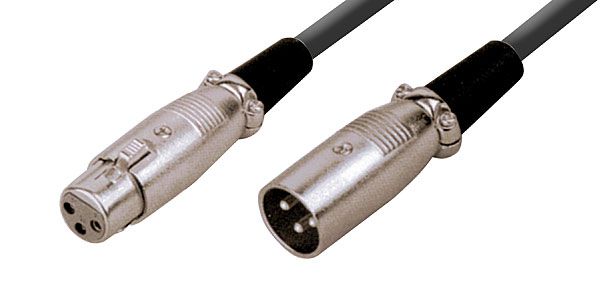
CLASSIC PRO / MIX050 Microphone Cable 5m XLR Cannon
3. Promotional Activities
When holding an event at any kind of venue, neither the venue nor the performers benefit if people don’t show up.
Try to gather as many people as possible so it can lead to future events.
○ Use Twitter and Facebook
Using social media for announcements and promotion is basic, but make sure to cover Twitter and Facebook.
Some people only use one or the other.
Once you’ve decided on an event name, create dedicated social media accounts under that name.
If you post information about recruiting performers there, it’s relatively easy to gather participants.
Actively follow accounts of people performing in the same area, and engage with them by retweeting and liking their posts. This helps you gain followers and grow into an account with strong promotional power.
○ Create a Website or Blog
It’s not mandatory, but having an official website is beneficial.
It helps venues understand the atmosphere of your event, and allows you to share information that can’t fit within the limited character count of Twitter.
If creating a website feels difficult, simply posting event information on a free blog is also fine.
There are many free blog platforms, but Hatena Blog (https://hatenablog.com/) is recommended.
Among the free options, it’s strong in SEO (techniques to make your site easier to be picked up by search engines), and if you want to remove ads, you can operate it for about 600 yen per month.
You’ll also want to include a top image or web poster for your event on your blog or social media.
For this, using a design site like Canva (https://www.canva.com/) is convenient for creating flyers and banners.
There is a paid plan, but even the free plan allows you to create highly polished designs.
It’s intuitive to use, so even if you’re not familiar with image editing software, you can figure out how to use it with a bit of experimentation.
Summary
The above is a general outline of the process leading up to hosting an event.
The main hurdle is, of course, the cost of gathering the necessary equipment. It’s great if you already have usable gear, but in many cases, you’ll need to purchase new equipment.
However, you can make a profit by collecting participation fees from event performers.
Try setting the fee so that you can still have around 10,000 yen left after paying for the venue.
The typical rate will likely be around 2,000–3,000 yen per group per stage.
Even if equipment costs 100,000 yen, holding events monthly would allow you to recover that cost within a year.
From the second year onward, you can use the profits to replace old equipment or upgrade to better gear.
By becoming an event organizer yourself, you can perform whenever and wherever you like, and you’ll also build connections with other performers, increasing your enjoyment.
If you’re interested, you can start by reaching out to a restaurant or place you frequently visit?
The “sound & person” column is made up of contributions from you.
For details about contributing, click here.









 ライブ配信に必要な機材
 ライブ配信に必要な機材を徹底解説 オンラインライブの創り方
 配信・ポッドキャスト特集!(ライブ/動画/ゲーム実況)
 小さなパーティでも役立つカッコイイ照明機材
 Alex Hutchings ミニライブ&サウンドデモ
 ライブをしよう!
 Discount Sale
 Outlet
 New Arrivals
 Podcast (streaming)
 Headphones / Earphones
 Microphones
 Wireless Equipment
 Speakers
 Power Amps
 Mixers
 Processors
 Portable PA Systems
 Recorders
 Karaoke
 Guitars
 Basses
 Ukuleles
 Drums & Percussion
 Pianos / Synthesizers
 Wind Instruments
 Stringed Instruments
 Japanese Instruments
 Harmonicas, Other
 Software
 DJ & VJ
 Stands
 Cables & Connectors
 Racks & Cases
 Lighting
 Stage & Truss
 Video Equipment
 PC PERIPHERALS
 Power Supplies
 Studio Furniture
 Household Items, Other
 Alcoholic Beverages