Chicago's Revival with "Hard to Say I'm Sorry"! Bill Champlin, the Shadow Warrior Who Supported Chicago Alongside Producer David Foster.
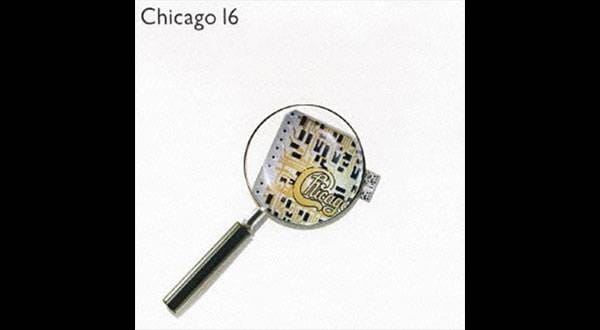
In 1982, produced by David Foster, "Hard to Say I'm Sorry"—released as a single from Chicago 16—reached number one in the US, and Chicago made a brilliant comeback. One year prior, an album even more wonderful than Chicago's album, Runaway, was released. The person who made that album was Bill Champlin, right before he joined Chicago. The producer was, of course, David Foster.
■ Recommended Album: Bill Champlin - Runaway (1981)
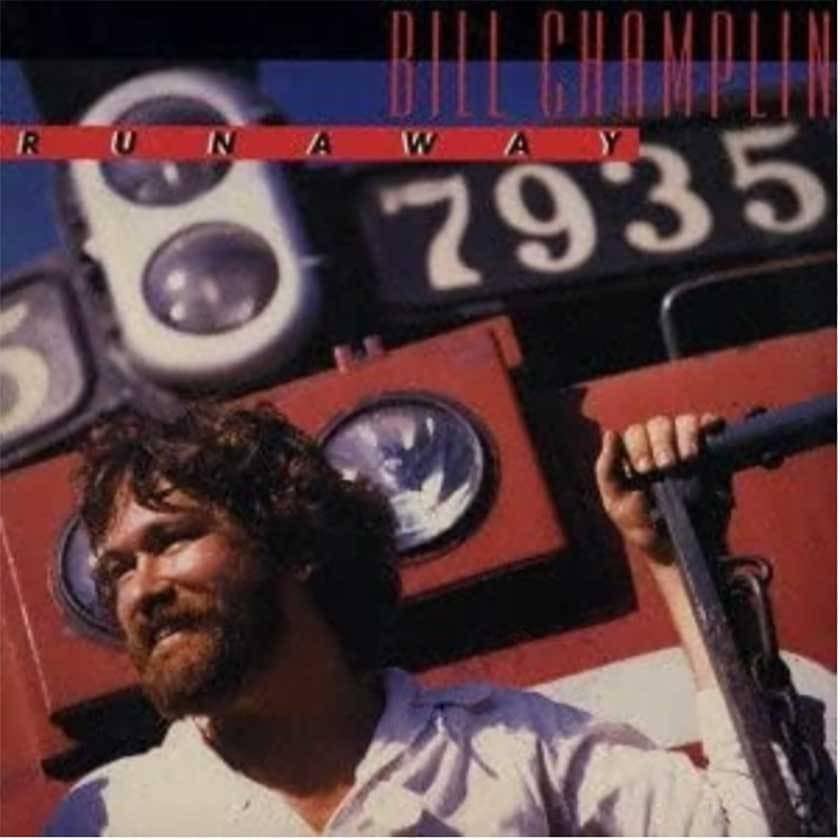
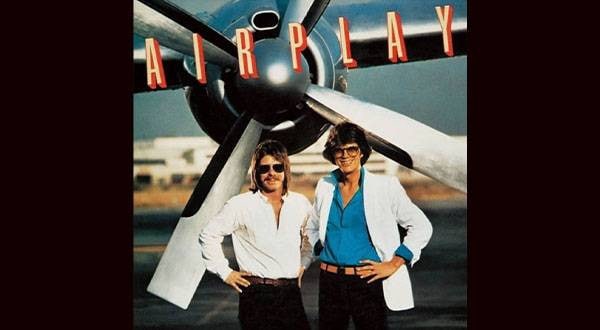
A masterpiece on par with Airplay's "Romantic." Bill Champlin made his solo debut with this album after the dissolution of his own band, Sons of Champlin. The producer is David Foster. The recording members consist of the TOTO network, such as Steve Lukather (g) and Jeff Porcaro (ds), alongside a full gathering of skilled West Coast players including Jay Graydon (G), Ray Parker Jr. (G), and Michael McDonald (Key). Naturally, there is no way it could be bad. It is based on a crisp, pleasant rock that feels like the clear blue skies of the West Coast. Even though it is from the West Coast, the type of music is different from the rock of the early Doobie Brothers or the Eagles.
It might be easier to understand if you say it is Airplay's music being performed by the members of TOTO. The difference from Airplay stems from the fact that Steve Lukather's guitar is featured. Although Jay Graydon (G) from Airplay also participates, Steve's trebly guitar has a slightly sharper sound compared to Jay Graydon's guitar. As if to soften that, Richard Page from Pages participates and showcases splendid chorus work.
Among David Foster's productions, this album has a strong rock flavor, but the fact that it is not just ordinary rock is the work of David Foster. From tricky and funky rock numbers to crying ballads, there are no miss tracks.
Of course, David's specialty—the combination of acoustic piano and Fender Rhodes electric piano—is alive and well. Furthermore, setups that skillfully use rhythm fakes and syncopation within the songs are also David's specialty. Those kinds of "setups" are scattered throughout the entire album.
In addition,the use of synthesizers is exquisite, and lovely sounds that have never been heard before are effectively used.
Recommended Track: "One Way Ticket"
A rock number that starts with Steve Lukather's guitar. David Foster's Fender Rhodes electric piano masterfully neutralizes the sharp guitar. Steering it away from becoming just ordinary hard rock is David's true worth. The way rests are placed during the chorus section is tricky, allowing you to hear the true charm of David's arranging. This kind of rhythm fake is a characteristic feature of David Foster, and similar setups can also be heard on Boz Scaggs' "Middle Man."
Recommended Track: "Tonight Tonight"
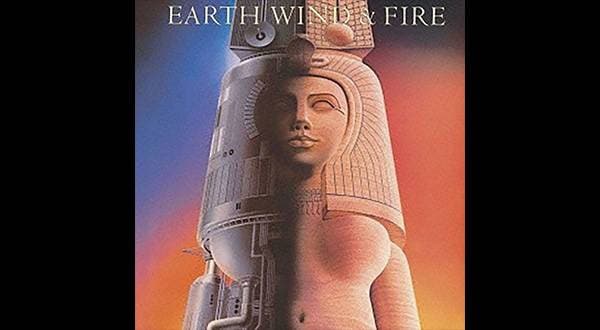
A masterpiece covered under the title "Tonight Tonight," changing the name from "My Everlasting Love," which is credited on Ray Kennedy's album Lonely Guy. It is a co-write between Ray Kennedy and David Foster. The exquisite ensemble of acoustic piano and Fender Rhodes electric piano in the intro brings to mind Earth, Wind & Fire's "After the Love Has Gone" (written by Airplay), and the background is cloaked in beautiful strings. The horn-like obligato layered over the vocal parts is also one of David's specialties. You can tell that David Foster's musical roots lie in classical music.
■ Recommended Album: Chicago - Chicago 17 (1984)
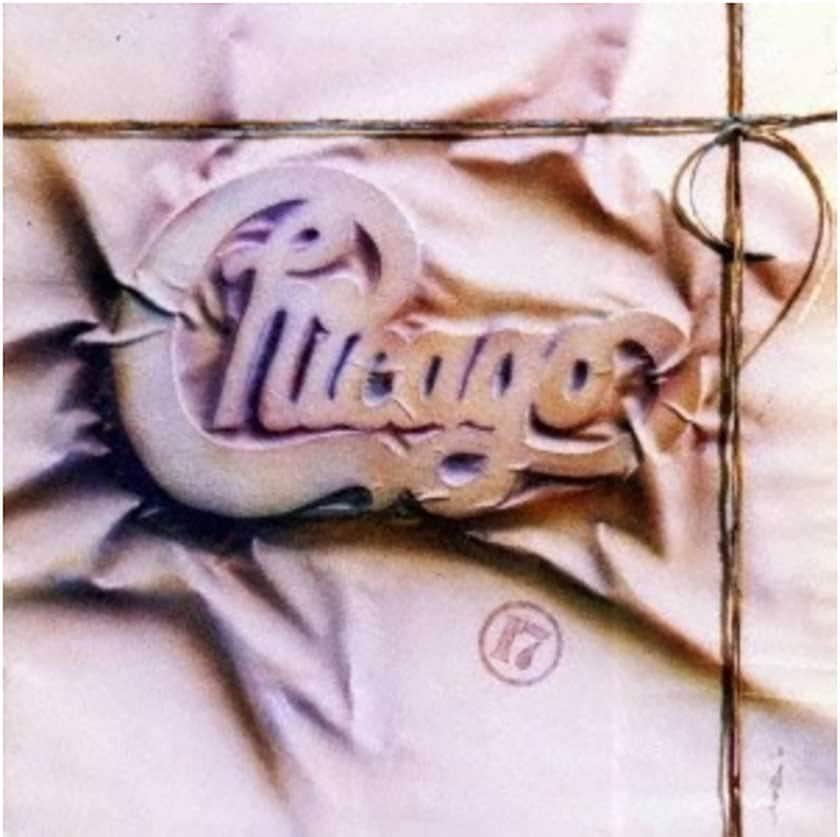
Produced by David Foster following the highly successful Chicago 16. It achieved even greater success, winning him his first Grammy Award for Producer of the Year. It is Chicago's biggest hit.While it is their greatest work, you can also hear fragments that hint at a difficult phase approaching for Chicago.
Recommended Track: "Stay the Night"
The intro begins with the DX electric piano sound from the DX7, a digital synthesizer that became a massive global hit. It’s clearly not the sense of timing of a human playing; instead, the DX7 is connected to a sequencer (automatic performance device) via MIDI (Musical Instrument Digital Interface), and the sound was recorded either by applying quantization or through programming. This song is from a period when MIDI took the music industry by storm and music utilizing it became an explosive trend.
Because David Foster is involved, his specialty setups overflow throughout the song. From the opening snare, to the chopping of the DX electric piano where you cannot tell where the downbeat is, to inserting a high-speed electric piano countermelody right before the start of the second A-section, you can hear the true worth of David's arranging.
Recommended Track: "Hard Habit to Break"
The mega-hit song "Hard to Say I'm Sorry" was an incredibly powerful track, and Peter Cetera's singing voice was forever etched into the hearts of many people. Naturally, many people wanted to hear that kind of song again. It might have been inevitable to try and catch lightning in a bottle twice.
When I heard this song, the impression of "Hard to Say I'm Sorry" was so strong that, including Peter Cetera's voice quality, I had a feeling of "not again." The song itself and the arrangement making use of Peter's voice were, almost sadly, extremely similar to his previous work.
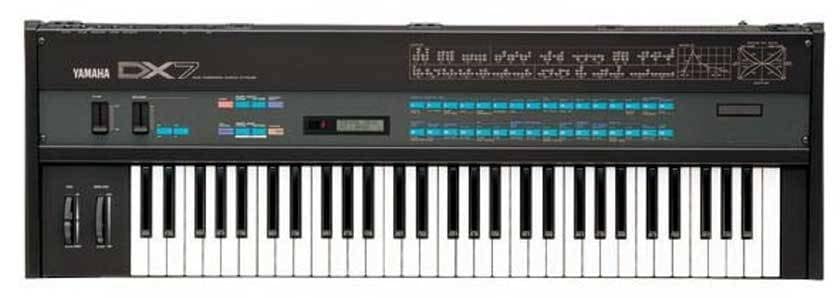
Yamaha DX7
Artists, Albums, Recommended Tracks, and Keyboards Used in this Column:
- Artist: Bill Champlin, Chicago, David Foster
- Album:Runaway, Chicago 17
- Song Title: "One Way Ticket", "Tonight Tonight", "Stay the Night", "Hard Habit to Break"
- Equipment Used: Yamaha DX7, Fender Rhodes electric piano, Acoustic piano, etc.
The “sound & person” column is made up of contributions from you.
For details about contributing, click here.





 USB接続対応のMIDIキーボード
 DTMに必要な機材
 用途で選ぶ!鍵盤楽器の種類
 最新コラム&動画をCheck!! OTOYA通信
 キーボード・ピアノ講座
 DTM・DAW購入ガイド
 Discount Sale
 Outlet
 New Arrivals
 Podcast (streaming)
 Headphones / Earphones
 Microphones
 Wireless Equipment
 Speakers
 Power Amps
 Mixers
 Processors
 Portable PA Systems
 Recorders
 Karaoke
 Guitars
 Basses
 Ukuleles
 Drums & Percussion
 Pianos / Synthesizers
 Wind Instruments
 Stringed Instruments
 Japanese Instruments
 Harmonicas, Other
 Software
 DJ & VJ
 Stands
 Cables & Connectors
 Racks & Cases
 Lighting
 Stage & Truss
 Video Equipment
 PC PERIPHERALS
 Power Supplies
 Studio Furniture
 Household Items, Other
 Alcoholic Beverages