Hello!
I am Takuto Fujioka, and I’m a chiropractor specializing in treating guitarists.
I hope you’re having a good day!
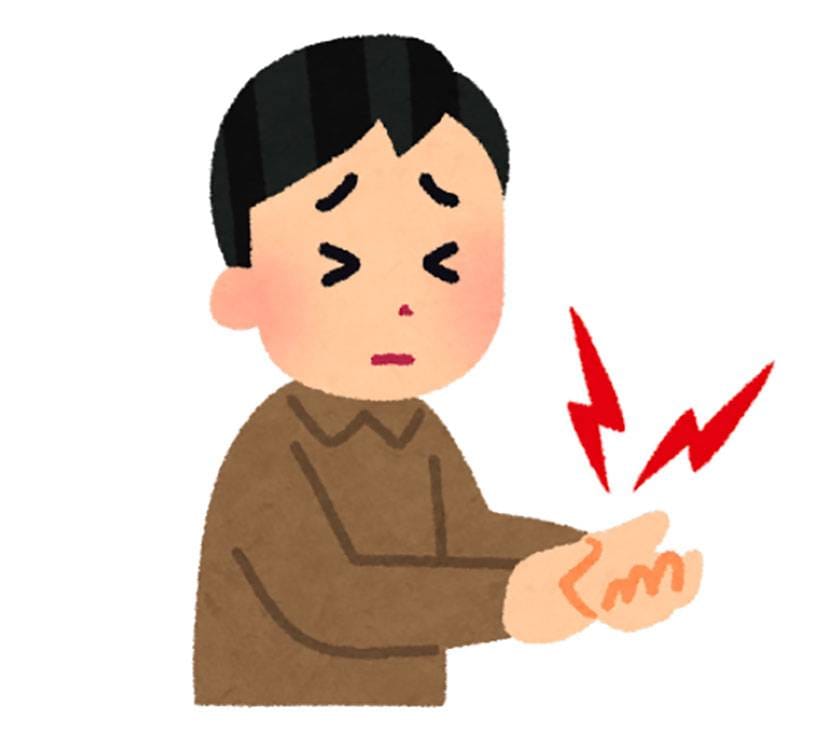
Recently, I’ve received several inquiries about pain on my official LINE account. While the symptoms vary from person to person, the approach to dealing with pain is generally the same in most cases. So, today, I’ll be writing about how to handle pain that arises while practicing guitar.
I won’t promise that this method will completely eliminate the pain, but I hope it will serve as a helpful way of thinking when you suddenly experience discomfort and feel uncertain.
Let’s get started!
How to Deal with Pain When It Happens
1. Stop Practicing Guitar Temporarily
One of the most common causes of pain is overuse. Overuse means "using too much," or in other words, "practicing too much."
It’s very common to have a phrase you want to play, and then repeatedly practice it many times. However, when you’re not yet used to certain fingerings or positions, it can take time for your body to get accustomed to them. Before you realize it, you might have practiced for long hours, and only when the pain sets in do you notice any changes in your body. This is a typical pattern.
When pain occurs, it's natural to wonder: "Should I get a massage?" "Should I apply a pain-relieving patch?" or "Am I developing tendinitis?" You might feel anxious about these thoughts. On the other hand, some of you might be the type who gets motivated by the pain and think, "I won’t let this stop me!" and keep practicing, possibly making the situation worse.
However, the most important thing here is rest. The cause of pain from guitar practice is, simply put, the practice itself. There's no need to overthink it; just stop doing the thing that caused the pain — which in this case is "guitar practice" — until the pain subsides. Once the pain calms down, then you can think about why the pain occurred during this particular practice. Of course, there could be several reasons such as improper form, excessive tension, or a variety of other factors, but in many cases, the primary cause of pain is simply practicing in the same way for a long time. For example, standing for a long time will make your feet hurt, and holding a pen for too long will make your fingers sore. It's the same concept: our bodies aren't built to perform the same action for extended periods. So, it's crucial to take appropriate breaks or change up your movements to avoid placing too much strain on any one part of your body.
Once the pain has subsided, consider adjusting your practice time. Instead of focusing solely on one phrase, try practicing a few different things to reduce the strain on your body. This way, you can lower the risk of unnecessary tension and avoid overworking the same muscles.
2. Explore the Pain
There may be cases where you take a break from guitar practice due to pain, but the pain doesn't go away. In such situations, try to analyze when the pain occurs (does it hurt even when you're not doing anything? Or does it occur with specific movements?), where the pain is located, and what the pain feels like (is it a tingling sensation, like muscle soreness, or a grinding feeling in the bones, etc.). Essentially, treat yourself as though you're the one giving yourself a medical examination to better understand the pain.
For example, if massage helps relieve the pain, you can try to continue self-massaging and monitor the situation. However, if the pain returns, it would be wise to consult with an orthopedic specialist. When symptoms like tendinitis occur, it's difficult to make decisions solely based on self-assessment, so don't hesitate to take action to resolve the pain, such as seeking professional care.
3. Review Your Daily Life
There may be cases when after taking a break from guitar practice, the pain subsides temporarily but the same area becomes fatigued more easily. In such cases, it's possible that your daily life is affecting your guitar practice. As I’ve written in many of my columns, posture has a significant impact—both good and bad. For instance, if you tend to have poor posture or suffer from shoulder tension due to work, this can negatively affect your arms and fingers, which are extensions of the shoulders. The posture you maintain while playing guitar is also closely related to pain and fatigue.
By analyzing when you experience fatigue outside of guitar practice, you can gain a deeper understanding of your body and its habits.
How was that?
When sudden pain arises where you’ve never had it before, it’s natural to feel anxious, but by considering the root causes of the pain one by one, you can fix it on your own.
If you have any questions, feel free to contact me through my official line (https://lin.ee/6AGJ9JX), and I’ll gladly offer advice within my knowledge. Don't hesitate to reach out!
Until next time!
The column "sound & person" is made possible by your submissions.
For more details on how to submit, click here.




![A secret massage method that softens the wrist [Things Guitarists should know about their body]](/contents/uploads/thumbs/5/2020/8/20200828_5_11046_1.jpg)
 お化けを倒してサウンドGET!
 バンドあるある相談
 ○○やってみた!
 ギターの選び方
 最新コラム&動画をCheck!! OTOYA通信
 サウンドハウス虎の巻 !
 Discount Sale
 Outlet
 New Arrivals
 Podcast (streaming)
 Headphones / Earphones
 Microphones
 Wireless Equipment
 Speakers
 Power Amps
 Mixers
 Processors
 Portable PA Systems
 Recorders
 Karaoke
 Guitars
 Basses
 Ukuleles
 Drums & Percussion
 Pianos / Synthesizers
 Wind Instruments
 Stringed Instruments
 Japanese Instruments
 Harmonicas, Other
 Software
 DJ & VJ
 Stands
 Cables & Connectors
 Racks & Cases
 Lighting
 Stage & Truss
 Video Equipment
 PC PERIPHERALS
 Power Supplies
 Studio Furniture
 Household Items, Other
 Alcoholic Beverages