New Orleans American Music Experience
This column will take a small break from my usual focus on keyboard instruments and takes us down to the American South.
When I was a university student, my musical interests were limited to British and European rock. I had a biased assumption that American music, compared to European music, lacked depth and was somehow shallow. The quintessential example of this was West Coast American rock. ♪~ "Under the blue sky, with the sun shining, let's drive along the coastline with my cool girlfriend~" I thought of songs like this as music for carefree people. Such narrow-minded thinking is truly embarrassing.
Now, I don’t have such thoughts at all. But that's the power of making false assumptions.
My high school teacher once said, "Anyone who plays the electric guitar is a delinquent. I know those kinds of people." I was deeply offended by these words. Back then, many teachers and adults would confuse electric guitars with delinquency. However, looking back, my own mind was just as narrow in terms of music as they were.
What changed my immature mindset was my trip to America during my student days. My major was photography.
In 1980, I visited America for a photo shoot for my graduation project. It was a poor, cross-country photography trip from New York on a Greyhound bus.
The title of my graduation project was "New York & New Orleans." Even from the title, you can tell it was amateurish. The theme was the contrast between an advanced city and a rural town with colonial culture.
New Orleans is a coastal city facing the Gulf of Mexico, with the Mississippi River flowing through it, and is also known as a popular tourist destination. On Bourbon Street, which is steeped in colonial culture, there are rows of live houses and restaurants that are just bustling with young black boys dancing for tips. I pointed my lens at one of the sad-looking boys and pressed the shutter.
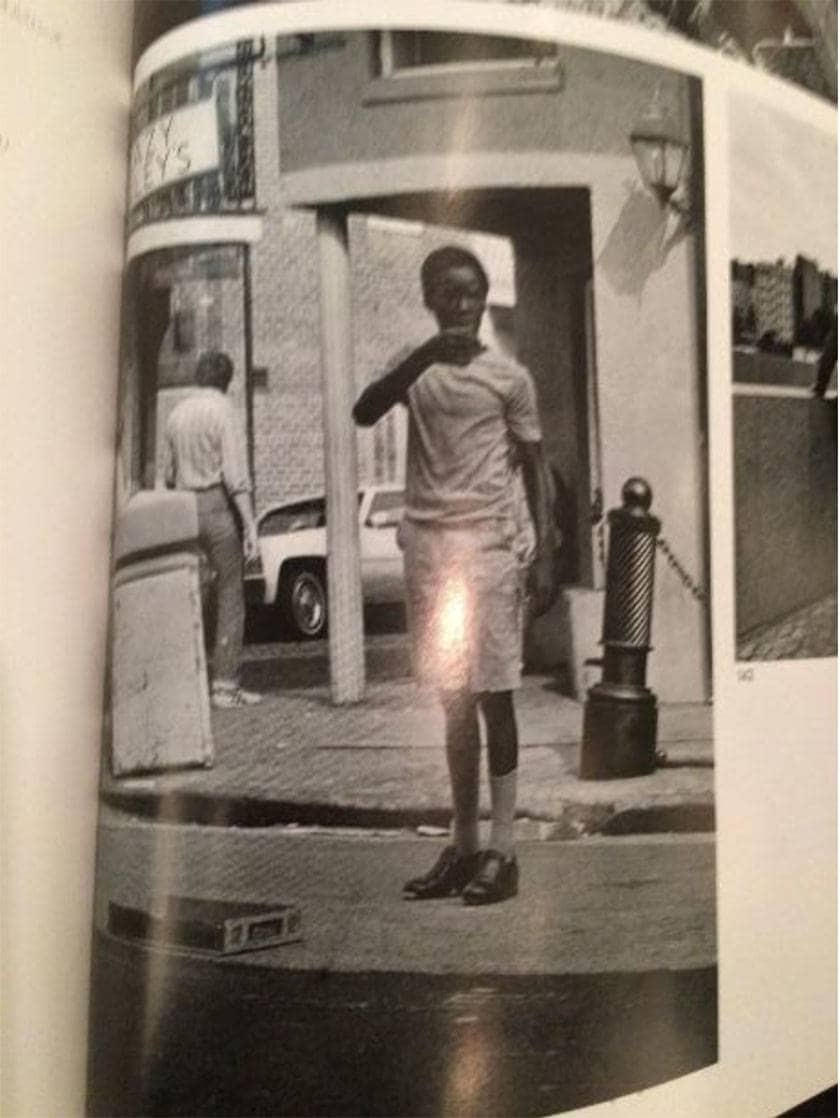
Bourbon Street Boy (1980) In front of the boy was a box for collecting tips…
A Word from My Bassist Friend
In New Orleans, I became friends with a Japanese bassist. He told me, "If you come to New Orleans, you must go to Preservation Hall, or you’ll regret it." I didn't know what Preservation Hall was. Backpacking on a tight budget, traveling strangers exchange information that enriches the experience. Back then, there was no internet, and the travel book, Lonely Planet was the backpacker's bible. I was an unprepared foreigner who didn’t even have a Lonely Planet book. That bassist friend's words changed my prejudice toward American music.
The Shock of Preservation Hall
Preservation Hall is a concert hall in New Orleans where jazz music is played. Every night, regular bands rotate, performing traditional Dixieland jazz. The entrance fee was around $5, maybe even cheaper.
We entered and were immediately shocked. The place looked like a dilapidated circus tent, with broken-down benches placed haphazardly, far from resembling a concert hall.
We were also surprised by the musicians. The performers were small, frail elderly Black men, who looked like puppets from Thunderbirds (that's an old reference!).
I thought to myself, "Are these people okay?" My expectations started to deflate.
The moment they started to play, my entire understanding of music crumbled. These frail old men transformed into proud musicians, and a sound unlike anything I had ever heard enveloped us. The sound they produced was nothing like the technical big band music I had known. It was a "traditional sound," though that term feels cliché. It was a sound that only musicians born on American soil, with history in their bones, could create—a sound wrapped in a certain "something." It was powerful, full, gentle, and carried a sense of sorrow.
I was blessed to spend this time immersed in sounds I had never encountered before. I believe it was a kind of miracle, created by the music of Black slaves who worked on the plantations and the house band musicians of Preservation Hall.
■ Preservation Hall Jazz Band: The Best (2014)
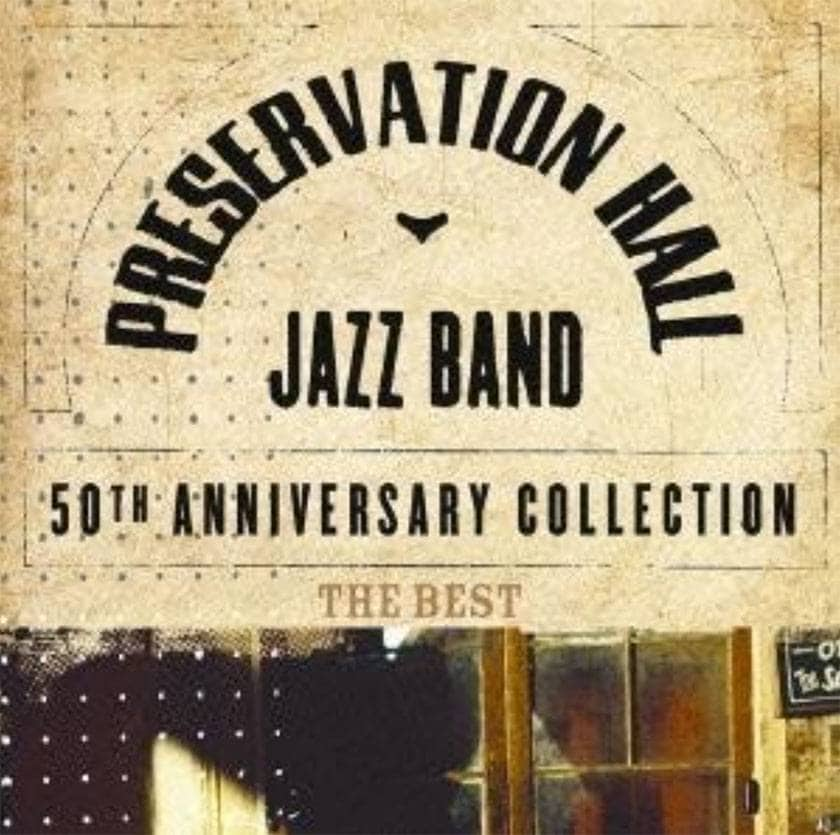
This is a commemorative album by the house band of the historic jazz club, Preservation Hall in New Orleans. The band was formed in the 1960s by a tuba player and has over 50 years of history. Back in 1980, I had no knowledge of Dixieland jazz. However, the fragments of Black music and the mood of New Orleans that I felt at Preservation Hall at that time are beautifully captured in this album.
Recommended track: "Shake It and Break It"
This is a typical Dixieland jazz track. While the brass instruments are prominent, it’s the striking sound of the banjo that lingers in your ears. The bass is not an upright bass, but rather, a tuba playing the bass line.
Musicians, album, recommended track, and keyboard used:
- Artist: Preservation Hall Jazz Band
- Album: The Best
- Track: "Shake It and Break It"
- Equipment used: Acoustic piano
The “sound & person” column is made up of contributions from you.
For details about contributing, click here.

 Discount Sale
 Outlet
 New Arrivals
 Podcast (streaming)
 Headphones / Earphones
 Microphones
 Wireless Equipment
 Speakers
 Power Amps
 Mixers
 Processors
 Portable PA Systems
 Recorders
 Karaoke
 Guitars
 Basses
 Ukuleles
 Drums & Percussion
 Pianos / Synthesizers
 Wind Instruments
 Stringed Instruments
 Japanese Instruments
 Harmonicas, Other
 Software
 DJ & VJ
 Stands
 Cables & Connectors
 Racks & Cases
 Lighting
 Stage & Truss
 Video Equipment
 PC PERIPHERALS
 Power Supplies
 Studio Furniture
 Household Items, Other
 Alcoholic Beverages