A Classic Album More People Should Know: NO NUKES
In this installment of the permanent live album series, American Rock Part 2, we focus on a live album rooted in social issues.
The live album NO NUKES was created in response to the nuclear accident at Three Mile Island in Pennsylvania, USA, in March 1979, and centers on the theme of anti-nuclear activism. At the time, public trust in nuclear power was declining in the United States, and the momentum for anti-nuclear sentiment was growing. Against this backdrop, a charity concert was held with the aim of raising awareness about safer energy policies through music. Numerous musicians participated, including Jackson Browne, Bonnie Raitt, Bruce Springsteen, the Doobie Brothers, and John Hall. This charity concert, which originated from the anti-nuclear movement, later paved the way for major events such as Live Aid and USA for Africa, helping to create a significant wave of social and musical impact.
■ Recommended Album: Various Artists NO NUKES (1980)
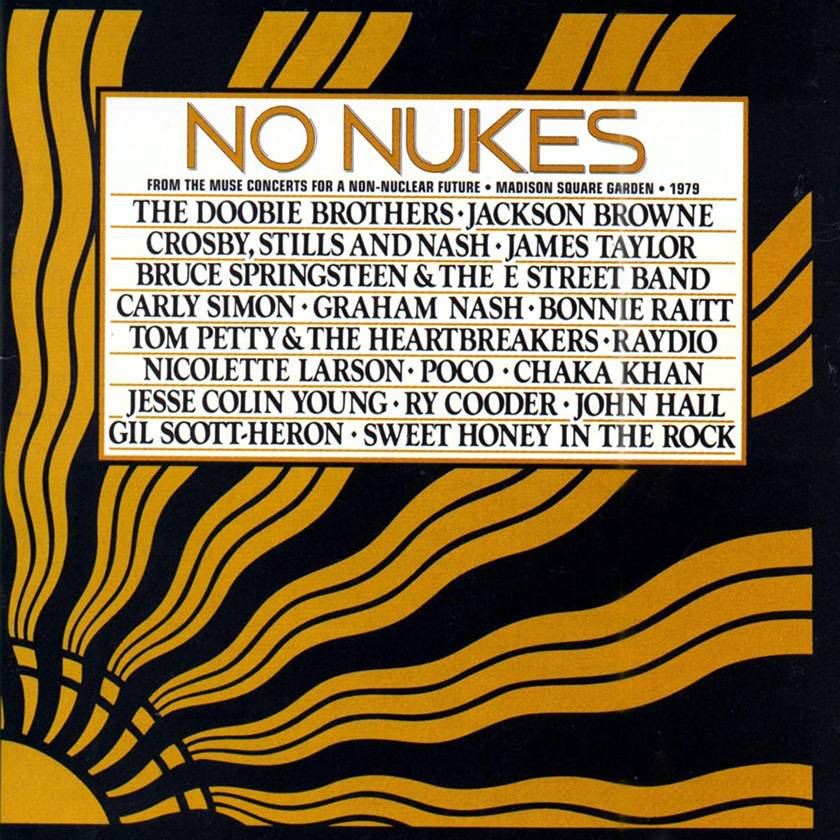
This album is a live recording of a large-scale charity concert held from September 19 to 23, 1979, in New York, themed around anti-nuclear activism. The events took place not only at Madison Square Garden but also at Battery Park in lower Manhattan, attracting an audience of 200,000 people. The musicians who gathered for the concert were at the peak of their careers, and the performances captured on this live recording are of exceptionally high quality. It can be considered a historic masterpiece that shines brilliantly in the history of rock music.
Recommended Track: “POWER”
“POWER” is a tribute to renewable energy featured on the first solo album by John Hall, the leader of Orleans and a skilled guitarist. This track fits perfectly with the anti-nuclear, No Nukes concert theme. The performance took place at Madison Square Garden, backed by an exceptionally talented ensemble. The backing band was the Doobie Brothers, with Michael McDonald on Fender Rhodes and support musician Cornelius Bumpus on organ. Backing vocals were provided by Nicolette Larson, Carly Simon, Jackson Browne, Bonnie Raitt, Graham Nash, and others. Historically, it is rare to see such a star-studded lineup gathered for a single live performance. The song features outstanding vocal performances from John Hall, Michael McDonald, and James Taylor. During the solo sections, John McFee’s pedal steel guitar shines brilliantly, and in the outro, Cornelius Bumpus delivers a saxophone solo. Bumpus is a skilled horn player who has performed not only with the Doobie Brothers but also with Steely Dan. John Hall’s beautifully composed, subtly energetic song reaches its brightest moment in this recording, amplified by the immense talent of the assembled musicians.
On the other hand, the video uploaded to YouTube shows a performance not at Madison Square Garden, but at the Battery Park venue that drew 200,000 people. The fact that “POWER” was performed on a different day is likely because the song directly ties into the anti-nuclear theme. In this performance as well, the vocal parts are sung by John Hall, Jackson Browne, and Carly Simon. The saxophone solo in the middle section is uncredited, but from the footage, it is presumed to be a young Michael Brecker—still not fully polished (laughs).
Recommended Track: “RUNAWAY / Bonnie Raitt”
Bonnie Raitt is an American singer rooted in blues, and she gained popularity across folk, rock, and other genres. She is also known as a master of the slide guitar. At the No Nukes concert, Bonnie Raitt was one of the central figures, alongside Jackson Browne and Bruce Springsteen. The song performed is a cover of a 1960s rock ’n’ roll track by Del Shannon, notable for its guitar cutting with accents on the offbeat. In the original version, a stylish organ solo appears midway through the song. In this live performance, the opening melody of the organ solo is harmonized with twin guitars, leading into a Hammond organ solo. The solo is played by Bill Payne, a highly skilled West Coast session musician and keyboardist of Little Feat, whose flawless Hammond phrasing leaves a strong impression.
Recommended Track: “Stay”
The collaboration between Bruce Springsteen & the E Street Band and Jackson Browne represents a historic milestone in rock music, bridging East and West Coast styles. In a previously unthinkable take, the E Street Band performs Jackson Browne’s “Stay”, which is typically played by the Jackson Browne Band toward the end of their live sets. The pianist for Jackson Browne’s band is Craig Doerge, whereas the E Street Band’s acoustic piano is handled by Professor Roy Bittan. Bittan’s touch is more powerful and produces a squarer sound compared to Doerge, making it interesting to compare the tonal differences between the East and West Coast backing bands. The late Clarence Clemons delivers a remarkable saxophone solo, which may strike some listeners as slightly unconventional in this context, though it is highly impressive.
Recommended Track: “Teach Your Children”
This classic song comes from Crosby, Stills, Nash & Young’s iconic album Déjà Vu. Listening to this live take makes it clear that the perfect harmony heard in the final scene of the film Melody was not studio-edited. The three-part harmonies in this performance are even more vivid and organic than on the studio recording. The song likely carries a message of passing the ideals of anti-nuclear sentiment to the next generation.
Featured Musicians, Album, and Recommended Tracks
- Artists: The Doobie Brothers, John Hall, Bruce Springsteen & E Street Band, Jackson Browne, Bonnie Raitt, Crosby, Stills & Nash, John McFee, Cornelius Bumpus, and others.
- Album: NO NUKES
- Recommended Tracks: “POWER”, “Runaway”, “STAY”, “Teach Your Children”
The “sound & person” column is made up of contributions from you.
For details about contributing, click here.

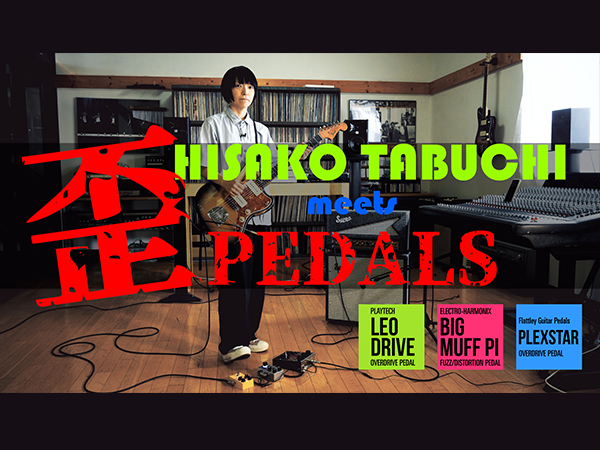 田渕ひさ子 meets 歪PEDALS
 はじめてのギター
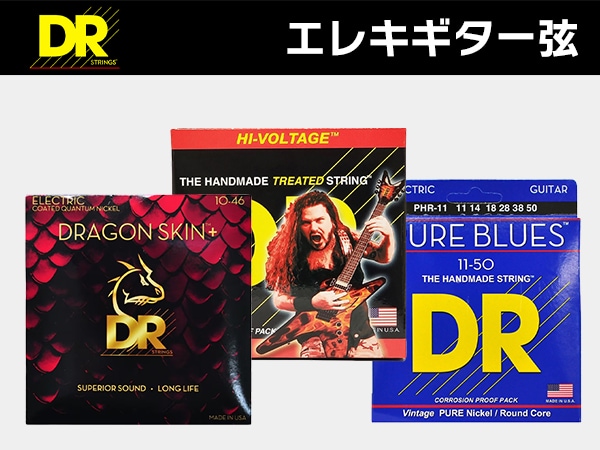 DR エレキギター弦
 初心者必見!PLAYTECH 激スゴの理由!
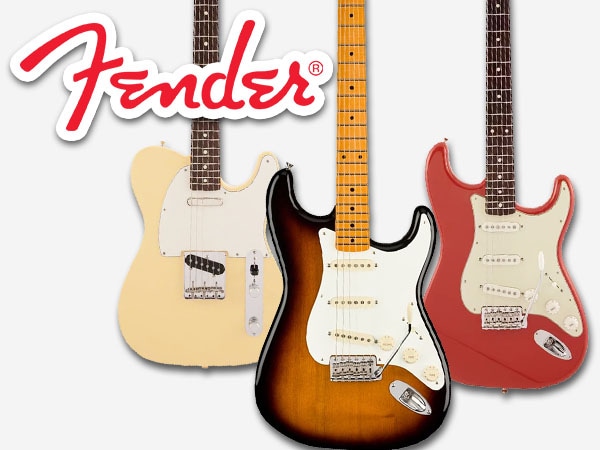 FENDERフェンダーギターのおすすめと選び方
 ギター演奏に必要なものは?
 Discount Sale
 Outlet
 New Arrivals
 Podcast (streaming)
 Headphones / Earphones
 Microphones
 Wireless Equipment
 Speakers
 Power Amps
 Mixers
 Processors
 Portable PA Systems
 Recorders
 Karaoke
 Guitars
 Basses
 Ukuleles
 Drums & Percussion
 Pianos / Synthesizers
 Wind Instruments
 Stringed Instruments
 Japanese Instruments
 Harmonicas, Other
 Software
 DJ & VJ
 Stands
 Cables & Connectors
 Racks & Cases
 Lighting
 Stage & Truss
 Video Equipment
 PC PERIPHERALS
 Power Supplies
 Studio Furniture
 Household Items, Other
 Alcoholic Beverages