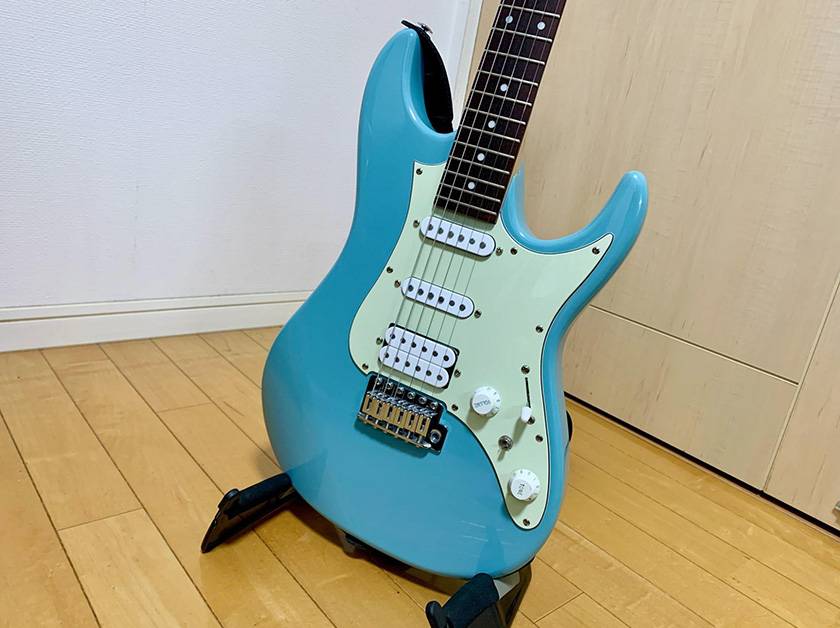
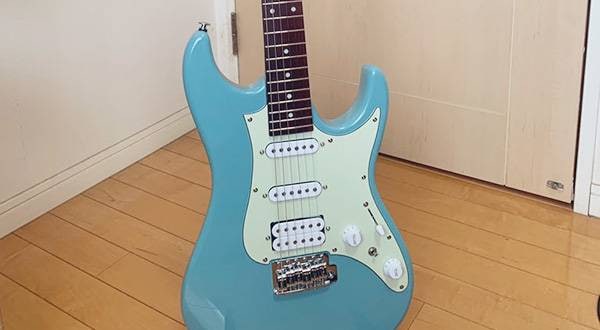
Among electric guitars, the SSH layout (Single-Single-Humbucker) is extremely popular as a pickup configuration.
This layout is a humbucker on the bridge and single coils on the neck and middle positions. It’s characterized as being versatile and capable of handling a wide range of genres—from rock to pop, funk, blues, and even modern high-gain styles.
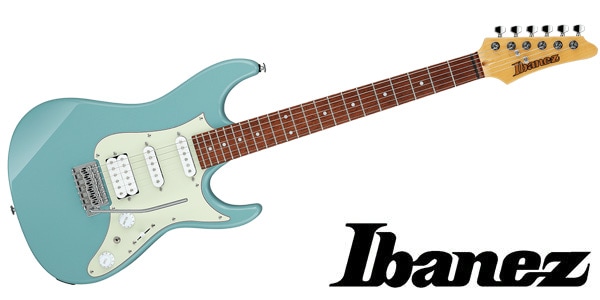
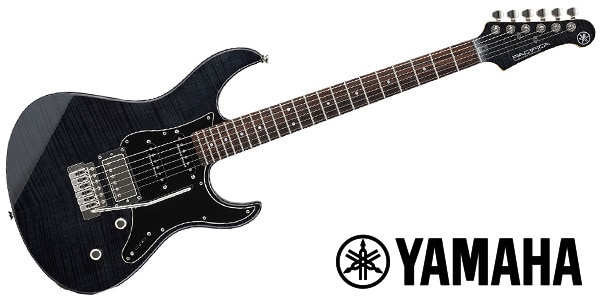
SSH models are also favored by professional guitarists such as studio musicians, and are used in various signature models both domestically and internationally. In recent years, SSH models have become abundant even in entry-level price ranges, such as the Ibanez AZES series and Yamaha Pacifica series, making this layout more accessible to beginners.
YAMAHA / PAC612VIIFM TBL Electric Guitar PACIFICA
However, on the other hand,
“Which pickup should I use in which situation?”
is a question that many beginners often have. In fact, the very strength of the SSH layout is its versatility in tonal options, and this can become a source of confusion for those who are not yet familiar with it.
Therefore, this time, I will clearly explain how to use the typical pickup selections to make the most effective use of an SSH-layout guitar.
I wrote this guide based on how I choose pickups, but just know that this is only one way to do it.
1. Bridge Humbucker ― The Main Player for Distorted Sounds
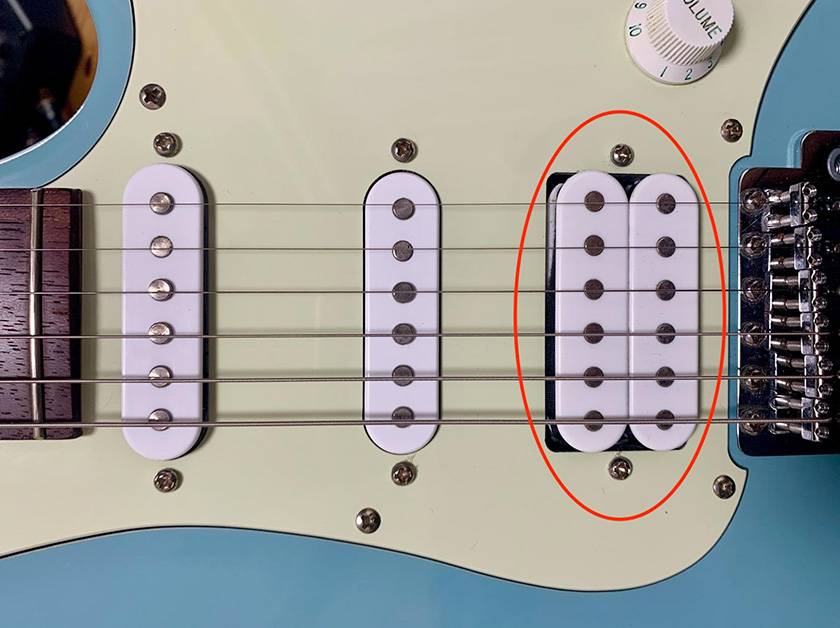
The humbucker on the bridge is the highest-output pickup in the SSH layout and delivers a thick, full-bodied sound.
Characteristics of a Humbucker
- Higher output than single coils
- Strong low-mid range with a thick tone
- Resistant to noise and less prone to uncontrolled feedback when distorted
- Ideal for powerful riffs and leads
Due to these characteristics, it is well-suited for rock-style backing and leads using distortion.
When playing heavy rhythms with power chords, choosing the bridge humbucker first is a safe choice.
Even if you want a modern high-gain sound, the bridge humbucker remains stable and reliable,
making it the classic “if in doubt, use the bridge humbucker” position.
2. Neck Single Coil ― Let Your Melody Sing with a Warm Tone
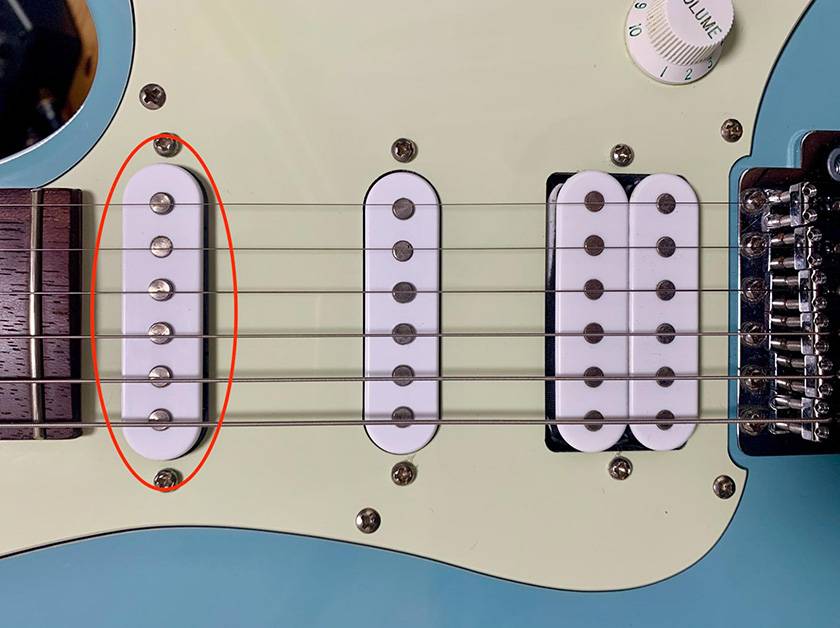
The neck single coil offers the clarity unique to single coils characteristic of the neck position, while its soft and rounded tone is particularly appealing.
When to Use It?
- Guitar solos within a song
- Lead phrases in intros and outros
- Clean arpeggios in calm sections
Since the neck pickup is positioned closer to the fretboard, the string vibrations are larger which naturally produces a thick and warm tone.
Additionally, the rounded sound makes picking inconsistencies less noticeable compared to the bridge, making it beginner-friendly.
However, single coils have lower output, so solo parts can sometimes sound quieter.
When playing leads, combining the neck pickup with:
- A booster
- Overdrive
- Volume-boosting EQ
…can help create a more prominent, expressive line.
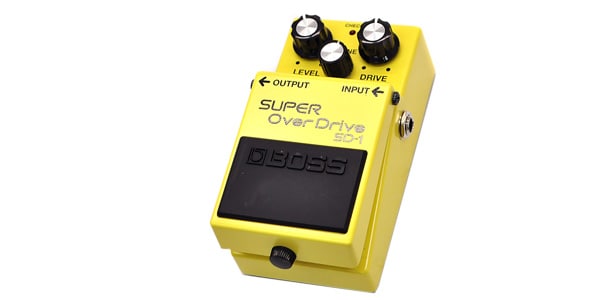
⇒ See full list of Overdrives/Boosters
When using deep distortion, noise can increase, so it’s nice to use a noise gate when you need it.
⇒ See full list of Noise Reduction/Noise Gates
3. Neck & Middle (Single Coil Half-Tone) ― The Classic Choice for Cutting
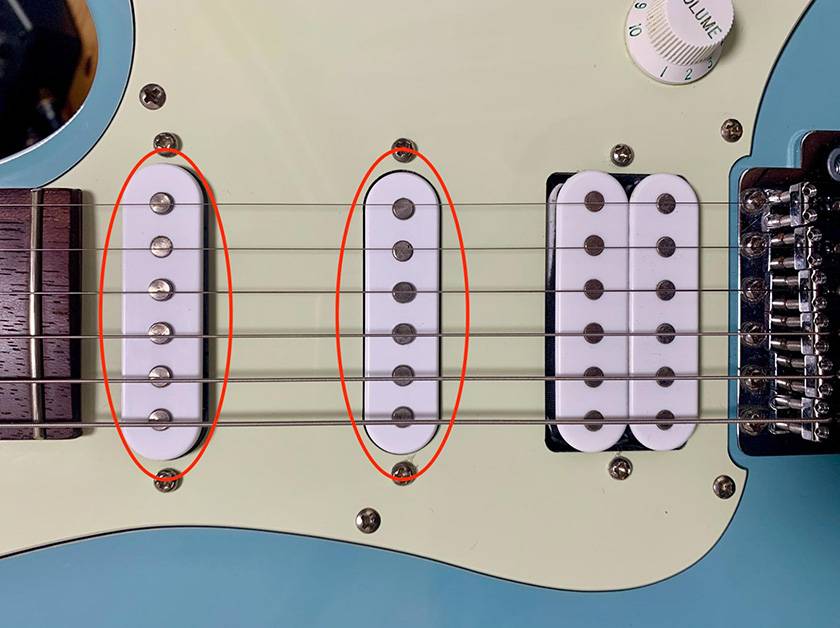
One of the draws of a Stratocaster—the half-tone—can also be achieved on an SSH layout.
Characteristics of This Position
- Crisp and bright tone
- Clear low-mid range
- Perfect for chord cutting
Because the lows are more controlled than with a single coil alone, this position is ideal for backing. In particular, it becomes the main sound for cutting in funk and pop styles.
Even within an ensemble, it doesn’t get buried and it’s able to maintain a bright and sparkling presence while creating a perfectly balanced frequency range that doesn’t interfere with other instruments.
4. Bridge Humbucker Coil Tap ― Crisp Bridge Single Tone
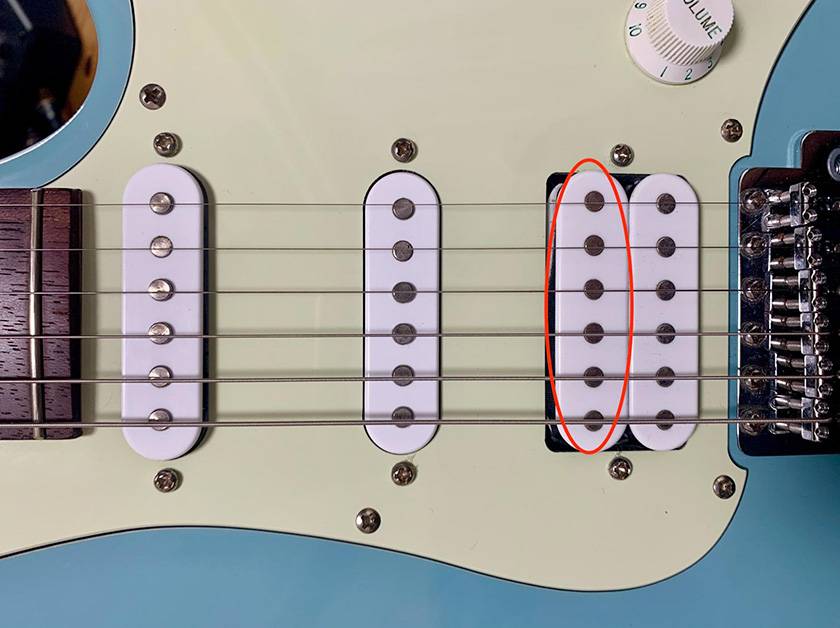
Many SSH guitars come equipped with a coil tap function for the bridge humbucker.
This system uses only one of the two coils in the humbucker to reduce the output in order to produce a single-coil-like tone.
Benefits of the Tap
- Creates a crisp bridge single-coil sound
- Versatile across genres, from rock to Japanese band styles
- Lightens the sound when the humbucker feels too thick
For songs where the bridge humbucker sounds “too heavy” or “too thick,” using the tap creates a sound that blends well in the mix.
Especially in Japanese rock, many guitar sounds involve bridge-single-like cutting or light leads, making the tap extremely useful for reproducing the original tone.
In fact, when producing karaoke tracks for Japanese rock bands, I often find myself using the tapped tone more than the full bridge humbucker.
Even if your guitar doesn’t come with a tap switch, humbuckers with 4-conductor wiring can be modified for coil tapping, so it’s worth trying if you’re interested in customizing your guitar.
5. Neck Single & Bridge Humbucker (Tapped) ― Telecaster-Style Versatile Half-Tone
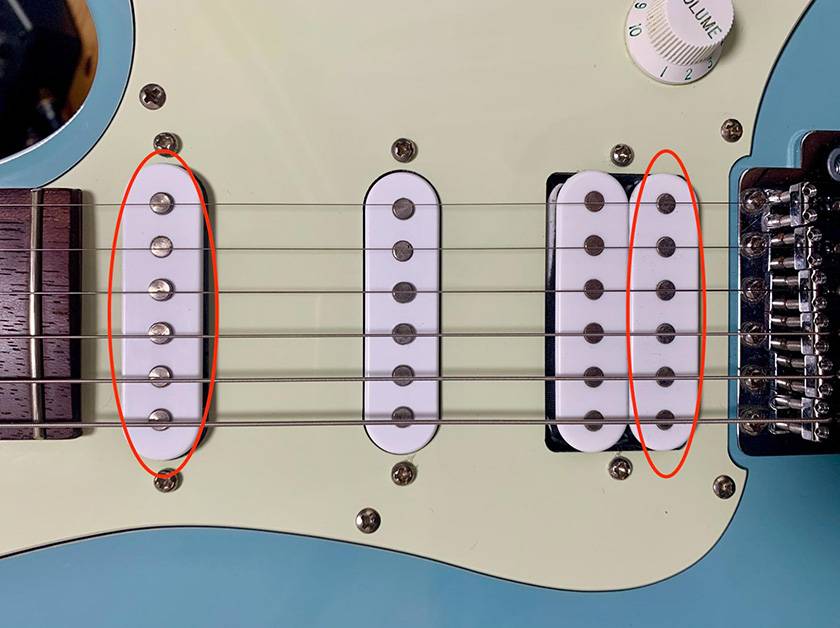
One way to bring out a new feature of SSH guitars is to combine neck pickup and the tapped bridge humbucker.
Although this is not standard on many guitars, it is a highly popular sound worth trying even through modification.
Sounds You Can Achieve
- Crisp tone similar to a Telecaster half-tone
- Sharper, more defined cutting
- Clean arpeggios really stand out
- Excellent for pop, funk, city pop, and similar styles
This position is extremely balanced and versatile, and it’s usable across a wide range from crunch to clean—truly a “universal position”.
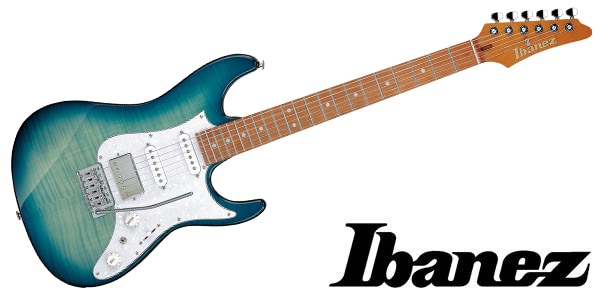
The Ibanez AZ series comes standard with this layout, making it a recommended model for showcasing beautiful clean tones.
Summary ― SSH’s Greatest Strength is Its “Versatility”
SSH-layout guitars have a distinct character for each pickup position.
Therefore, rather than switching pickups arbitrarily, consider the following when choosing which to use:
- The genre of the song
- The thickness of the ensemble
- The nuance of the part you want to play
By using the pickups with these points in mind, you can draw completely different expressions from the same guitar.
Please use the techniques introduced here as a reference and try experimenting on your own guitar.
The “sound & person” column is made up of contributions from you.
For details about contributing, click here.










![[Custom] Ways to Easily Upgrade a Regular Priced Telecaster!](/contents/uploads/thumbs/5/2025/10/20251016_5_33282_1.jpg)

 ピックアップ交換大作戦!
 パーツの配線を知ろう
 ピックアップの種類(エレキギター)
 お手入れに必要な道具
 ギターの各部名称
 ギターの選び方
 Discount Sale
 Outlet
 New Arrivals
 Podcast (streaming)
 Headphones / Earphones
 Microphones
 Wireless Equipment
 Speakers
 Power Amps
 Mixers
 Processors
 Portable PA Systems
 Recorders
 Karaoke
 Guitars
 Basses
 Ukuleles
 Drums & Percussion
 Pianos / Synthesizers
 Wind Instruments
 Stringed Instruments
 Japanese Instruments
 Harmonicas, Other
 Software
 DJ & VJ
 Stands
 Cables & Connectors
 Racks & Cases
 Lighting
 Stage & Truss
 Video Equipment
 PC PERIPHERALS
 Power Supplies
 Studio Furniture
 Household Items, Other
 Alcoholic Beverages