It’s October. Oh, hey there!
It’s suddenly autumn, everyone! How are you doing? Have you been keeping well?
The sudden change of seasons has sent my autonomic nervous system into absolute chaos, and I’m currently experiencing a full-blown physical meltdown. Yay! And yet, here I am, putting pen to paper. The low atmospheric pressure has been particularly brutal, giving me what you might call a ‘headache pain’ (yes, that’s redundant). Sigh.
Please take good care of yourselves, everyone.
Now, autumn is a busy season for sound equipment, with school festivals, local community festivals, and all sorts of events taking place.
You get your equipment ready, connect the microphones, put on some music...
“Wait, is this really the right cable??”
The connectors look the same. They fit just fine.
But in the world of PA, “it connects” doesn’t necessarily mean “it’s being used correctly.”
So this time, let’s go over some common points of confusion when it comes to PA connections!
① Even If They Look the Same, Cables Have Different Purposes!
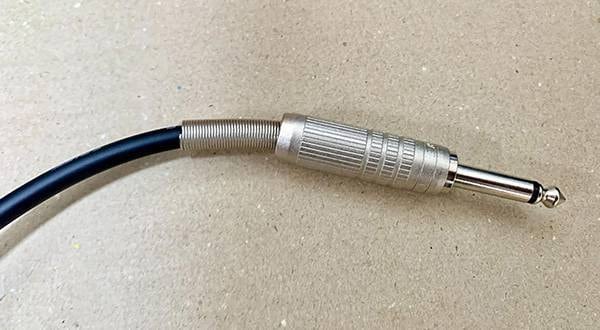
The rod-shaped ‘phone plug’ is something you often see on guitars, mixers, and other equipment.
Cables with the same type of connector are also used to connect power amplifiers to passive speakers.
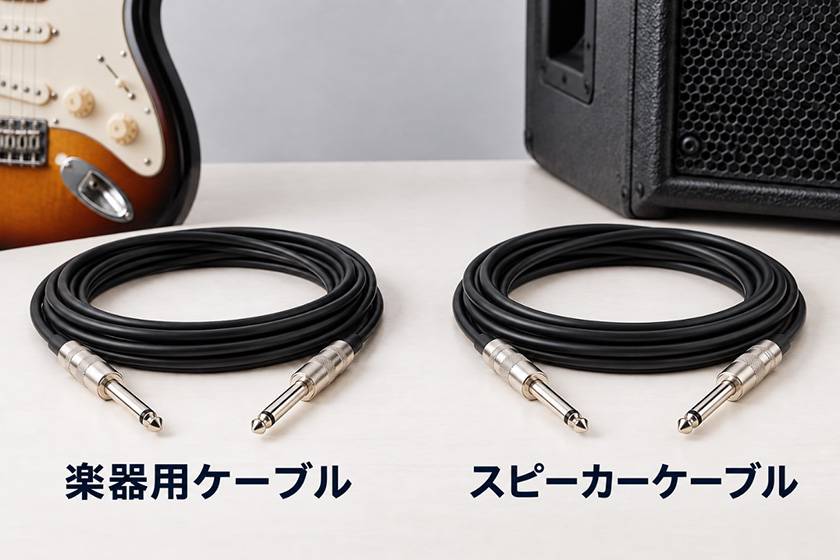
“So, can I just use a guitar cable instead?”
Be careful here!
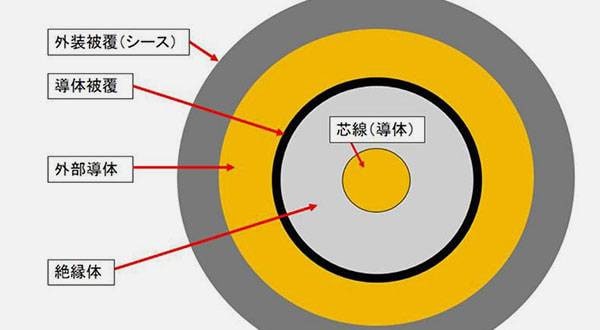
Instrument cables and speaker cables have different internal structures and intended uses, even though their connectors look the same.
When sending an amplified signal from an amplifier to a passive speaker, you need a speaker cable designed to handle high electrical current. Avoid substituting an instrument cable, and always check the intended use in the product description.
Incidentally, when sending audio from a mixer to a powered speaker with a built-in power amplifier, you normally use a mic/line cable. If the speaker has a MIC/LINE switch, it should generally be set to LINE. Be careful: if a mixer’s line-level output is received with the speaker set to MIC, the input level may be too high, causing the sound to distort.
So, even when you’re simply connecting to a speaker, the type of cable changes depending on where the amplifier is located. It’s confusing, isn’t it!
② Two Black Stripes Mean Stereo... Right?
If you look at a phone plug, you’ll see black ring-shaped bands dividing the metal section.
Generally, a plug with one insulating band is called a TS plug, while one with two bands is called a TRS plug.
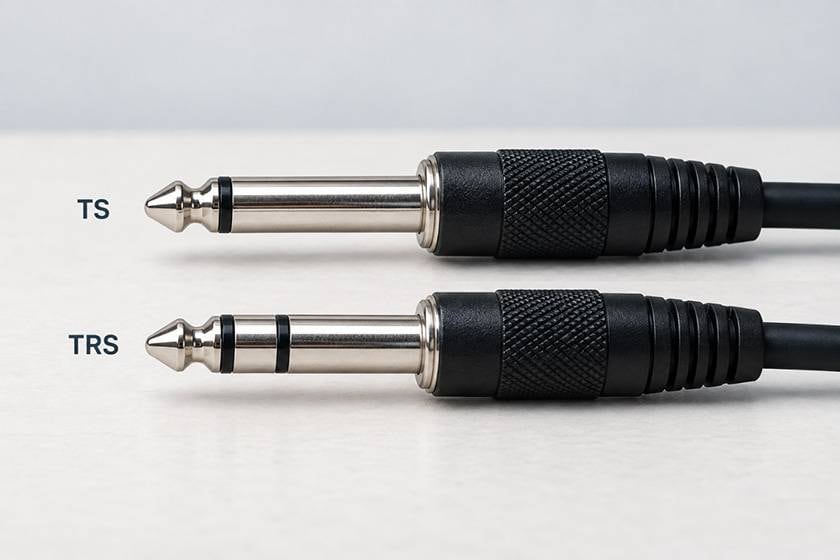
TRS plugs are used for stereo signals, such as those from headphones, but in PA systems, they’re also used for balanced mono signals. In other words, TRS doesn’t necessarily mean that the plug carries separate left and right audio signals!
Balanced connections are a method of reducing the effects of noise picked up during signal transmission. It’s a separate issue from whether the signal is stereo or not. This is already getting complicated, and I know it’s a lot to take in, but bear with me just a little longer!
In addition to the connector shape, you also need to check what kind of signal the equipment is designed to handle.
③ What Should You Do When Connecting a Smartphone to a Mixer?
Here’s a common situation: sending background music from the headphone output of a smartphone or computer to a mixer.
“Just convert the stereo mini plug to a standard phone plug and stick it into an available input!”
...You might be tempted to do just that, but hold on a second.
If you send the left and right signals from a stereo output into a mono balanced input using a single TRS plug, the difference between the left and right signals may be extracted. This can cause sounds positioned in the center, such as vocals, to become quieter or difficult to hear.
You might end up wondering, “Why did the vocals disappear!? It’s not a karaoke backing track!”
As a general rule, connect to a compatible stereo line input, or use a cable that splits the left and right signals into two separate line inputs.
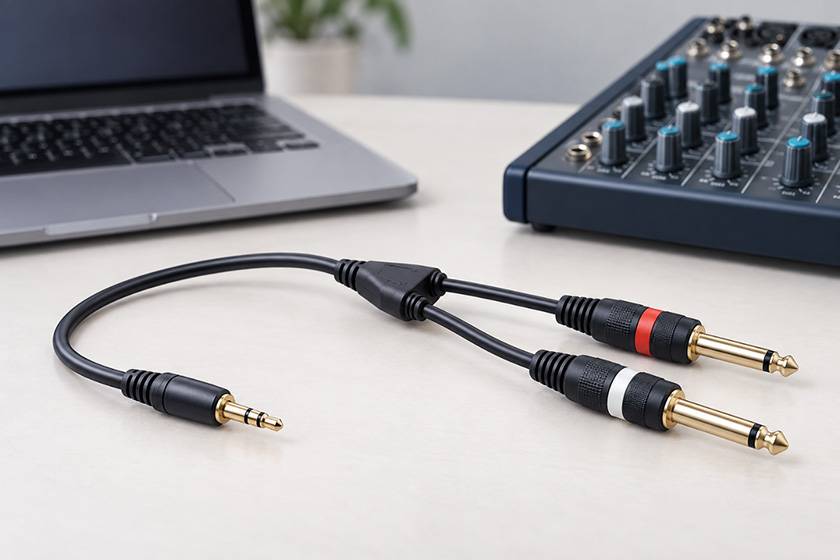
For example, when connecting the headphone output of a smartphone or computer to the separate left and right standard phone line inputs on a mixer, it’s common to use a breakout cable with a ‘stereo mini plug to two standard mono phone plugs.’
One input on one end, two outputs for left and right on the other. Since it looks like the letter Y, it’s often called a Y cable. However, not all Y-shaped cables are designed for the same purpose. Make sure the product description confirms that it’s intended to split left and right audio signals!
④ Just Because You Can Convert It Doesn’t Mean You Can Use It for Everything!
Conversion adapters are convenient, but basically, all they do is match connector shapes and wiring.
They don’t magically make a small microphone-level signal equivalent to a speaker-level signal amplified by a power amplifier!
In particular, NEVER connect the speaker output of a power amplifier directly to the mic/line input of a standard mixer or powered speaker using only a conversion adapter. You could damage your equipment!!
What you need to check is: “Which output on which device am I connecting to which input?”
Don’t just look at the connectors on both ends of the cable. Make sure to check the names of the connectors on the equipment itself, too!
Finally, here’s a little tip...
If you’re not sure which cable to buy or want to find the exact cable you’re looking for quickly, Sound House has a dedicated page called the “Cable Buying Guide”. With this, you can easily find the cables you need for connecting musical instruments and PA systems, setting up lighting equipment, and more, simply by selecting the intended application and connector types. Be sure to check it out!

Cables may not seem particularly exciting, but they’re essential pathways that carry sound where it needs to go.
To avoid any last-minute panic during your event, don’t forget to check all your connections and test the sound in advance.
Get your wiring perfectly sorted out, and enjoy the delicious flavors of autumn with some great background music!
See ya!





 CLASSIC PRO
 マイクケーブルの作り方
 ギターケーブルの作り方
 ケーブルの選び方
 虎の巻 ケーブル講座
 ケーブル購入ガイド
 Discount Sale
 Outlet
 New Arrivals
 Podcast (streaming)
 Headphones / Earphones
 Microphones
 Wireless Equipment
 Speakers
 Power Amps
 Mixers
 Processors
 Portable PA Systems
 Recorders
 Karaoke
 Guitars
 Basses
 Ukuleles
 Drums & Percussion
 Pianos / Synthesizers
 Wind Instruments
 Stringed Instruments
 Japanese Instruments
 Harmonicas, Other
 Software
 DJ & VJ
 Stands
 Cables & Connectors
 Racks & Cases
 Lighting
 Stage & Truss
 Video Equipment
 PC PERIPHERALS
 Power Supplies
 Studio Furniture
 Household Items, Other
 Alcoholic Beverages