Hi, I’m Yamakawa, and I’ve recently become the person in charge of instrument wireless systems at Sound House!
The other day, I wrote an article about how to choose an instrument wireless system. This time, I’ll be comparing three models with different designs to see how they perform in practice.
The three models I have here are the Shure GLXD16+, Xvive U2, and AKG DMS100 Instrumental Set. I personally use the U2 and GLXD16+ regularly, depending on the application. I borrowed the AKG DMS100 specifically for this comparison!
I’ll record and compare them to see how much they differ in latency, sound quality, and ease of use.
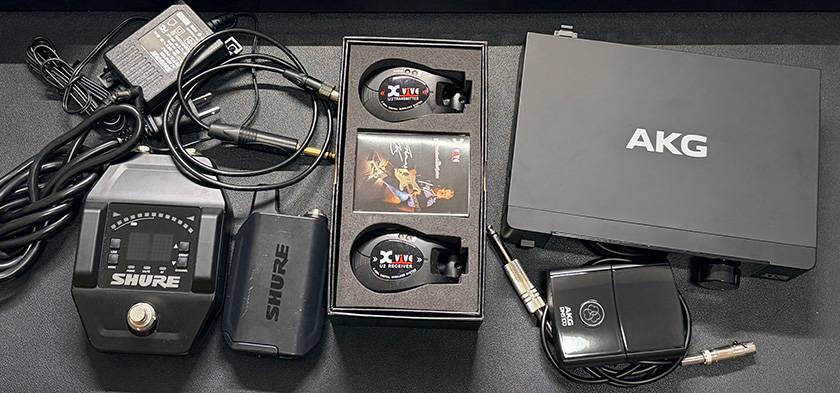
Introducing the 3 Models
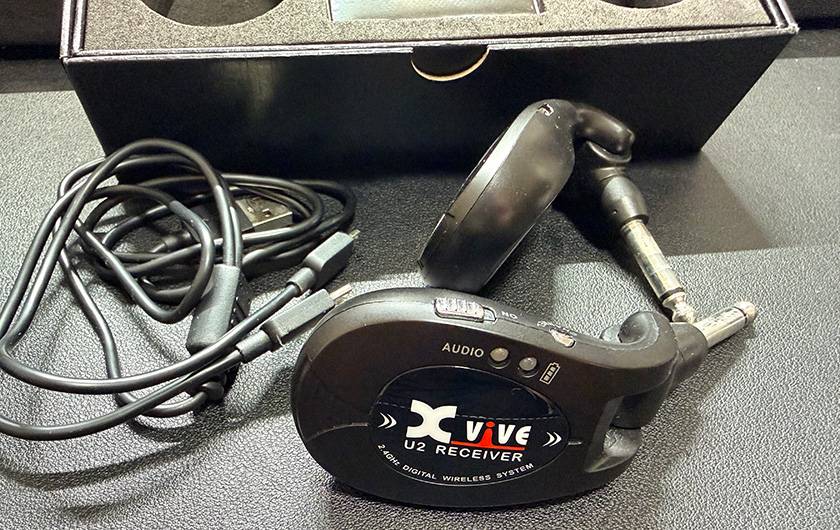
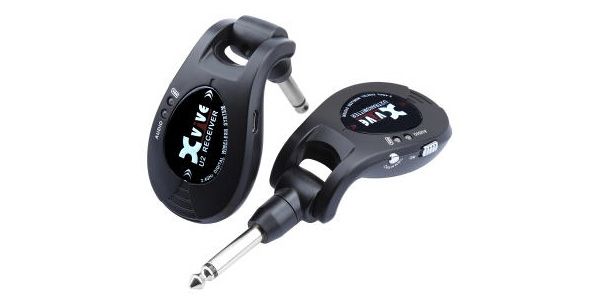
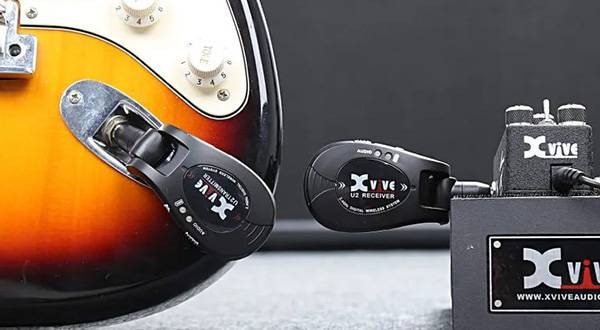
Xvive U2 is a plug-in type that connects directly to a guitar or bass.
Simply plug in the transmitter and receiver, and you’re ready to go. Its straightforward operation and compact size make it an easy choice for anyone looking to get started with a wireless system.
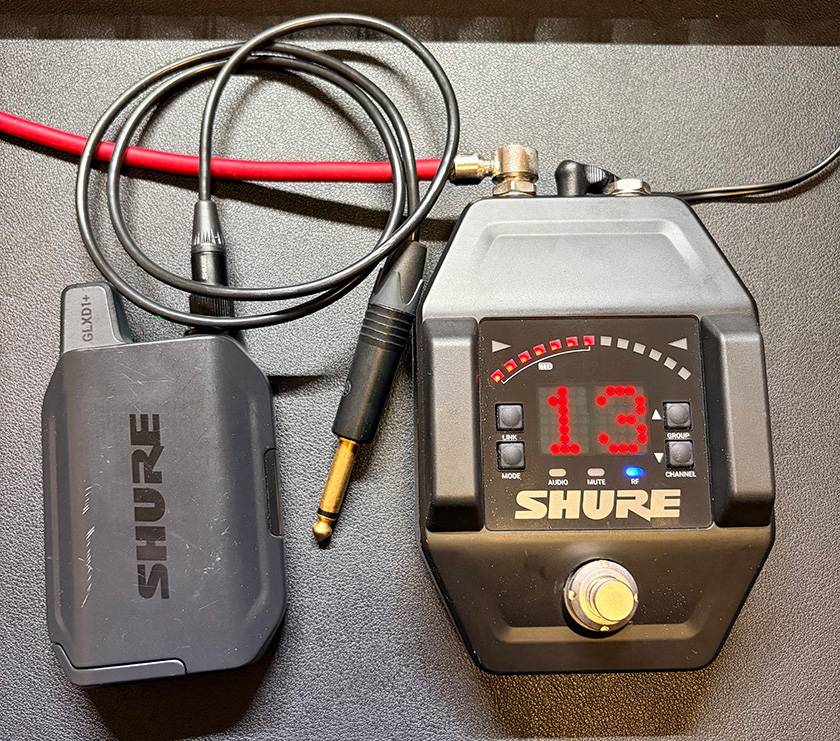
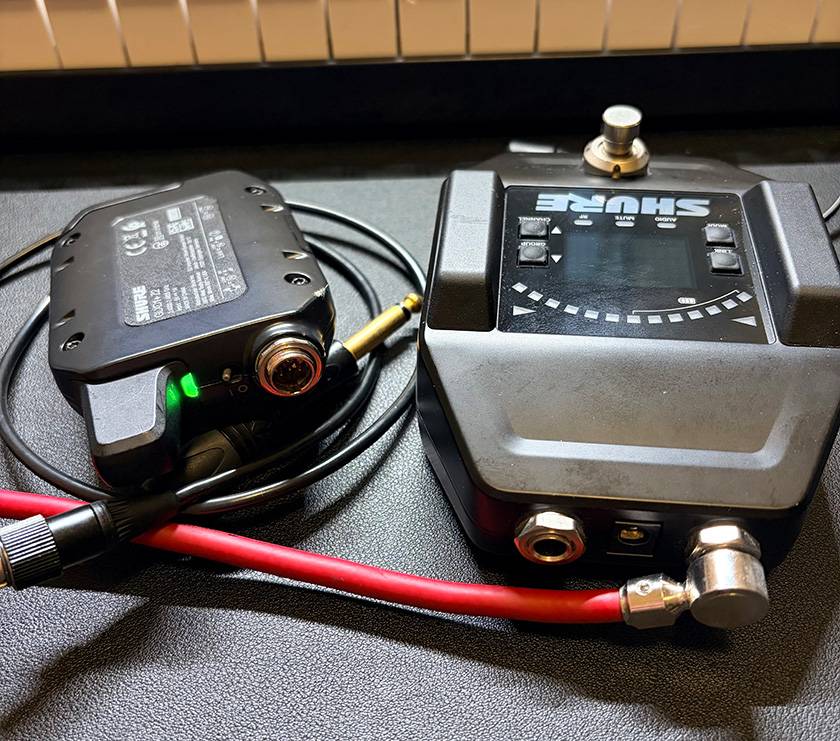
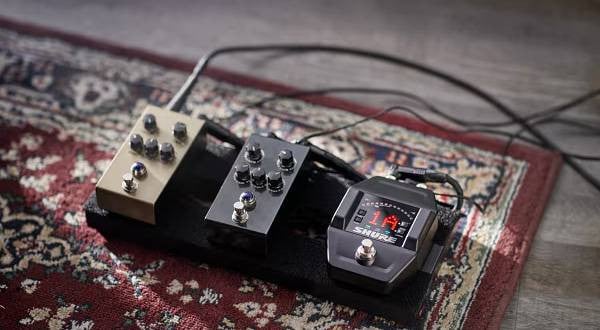
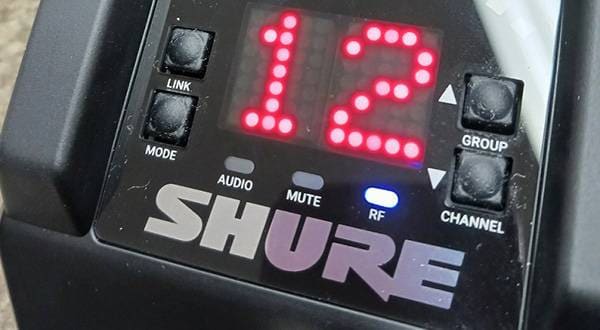
The GLXD16+ is a wireless system consisting of a bodypack transmitter and a pedal-style receiver.
The receiver also features a built-in tuner, making this model a good choice for players who want to integrate a wireless system into their pedalboard for live performances.
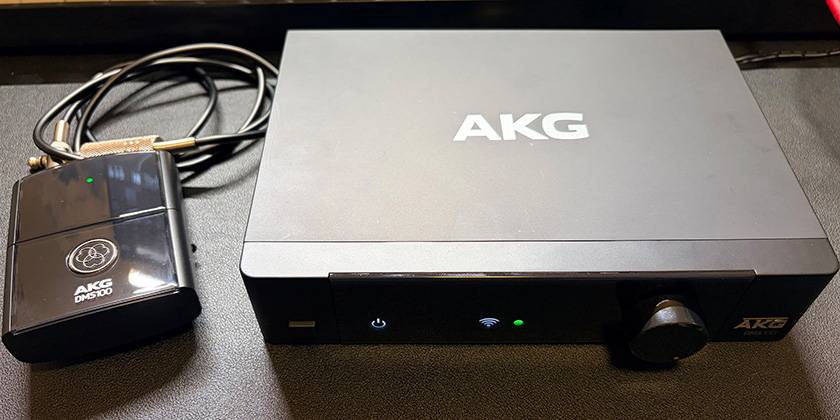
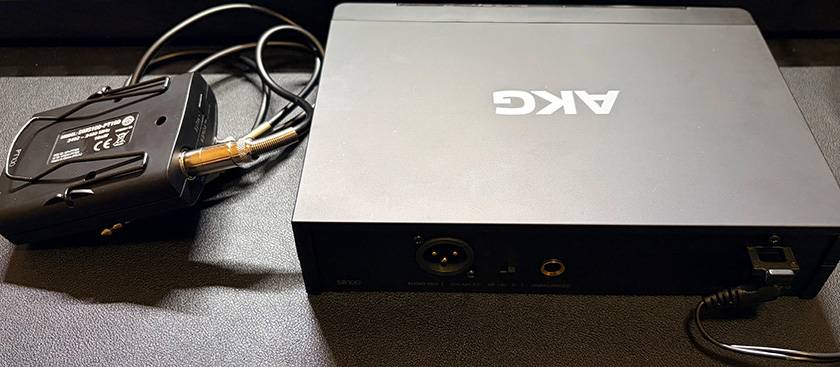
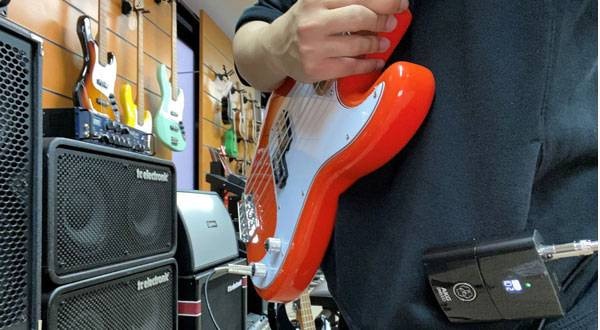
The DMS100 is a conventional configuration consisting of a bodypack transmitter and a standalone receiver. Both the transmitter and receiver are lightweight, and the system can be quickly put back into operation by replacing the batteries. Another appealing feature is its wide range of output connections, including XLR and standard phone jacks.
Let’s Record Them!
For this comparison, I used my MOTU M4, which I regularly use myself. I sent the same pre-recorded performance to each wireless system using a reamping setup, then recorded the signals again through the M4 into Logic Pro.
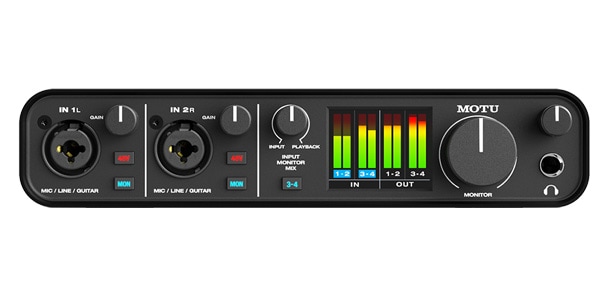
Since the performances themselves are identical, I think this approach makes it easier to compare the differences between the models.
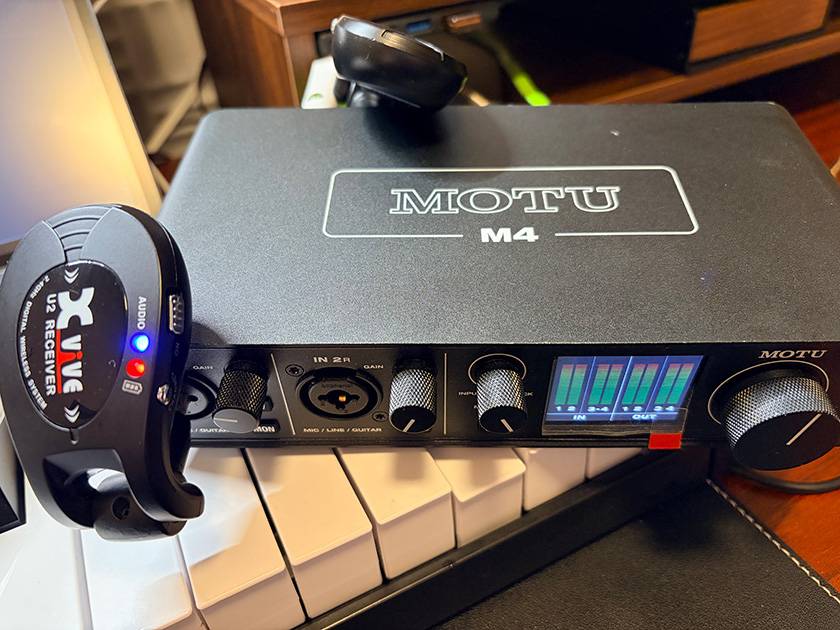
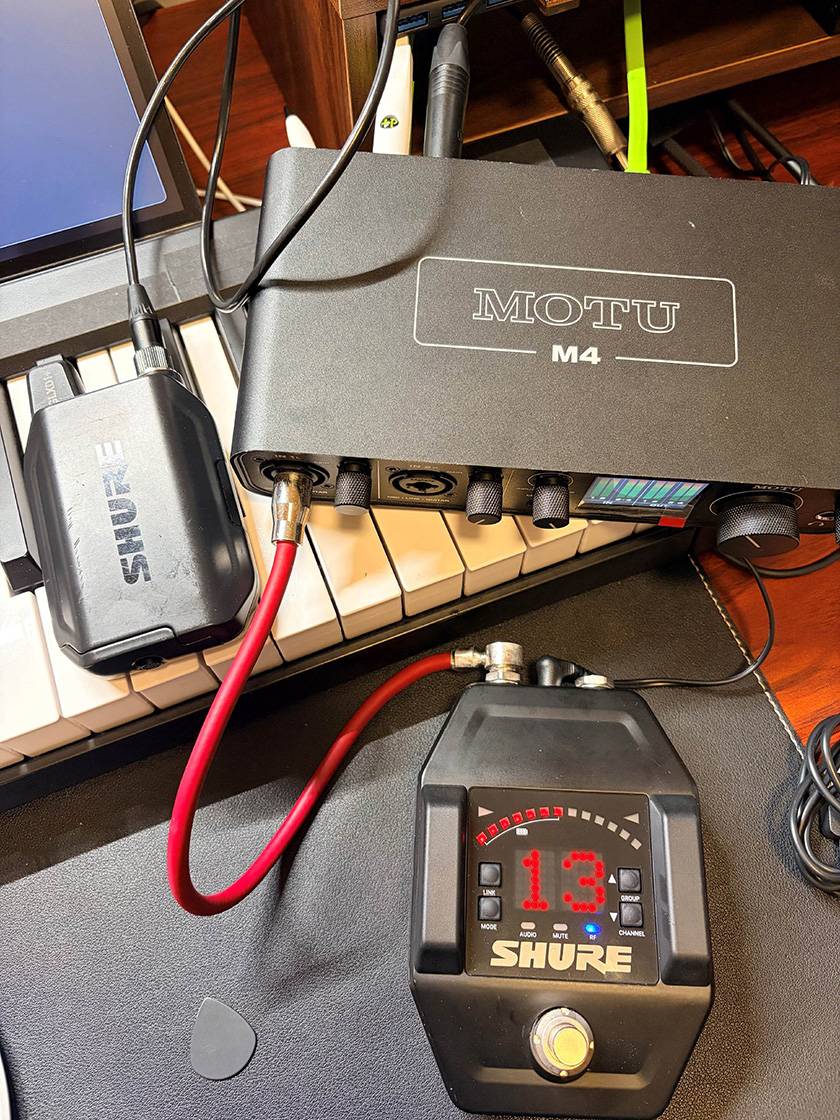
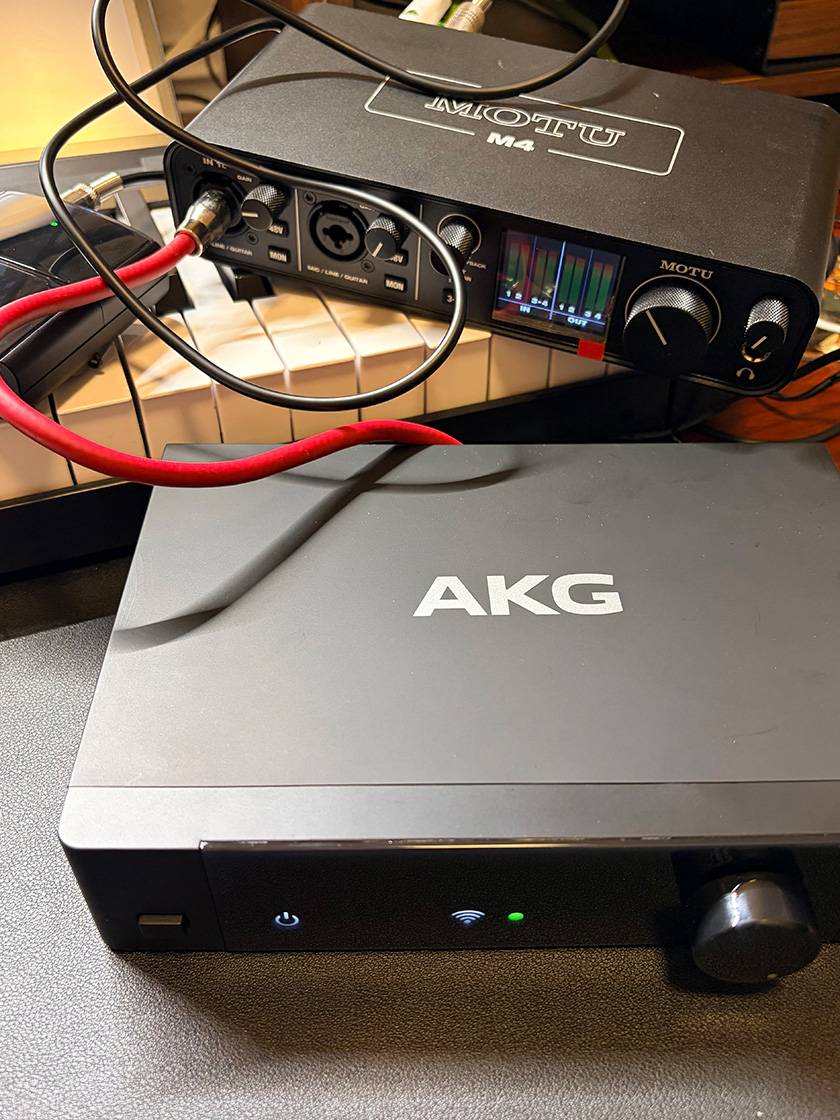
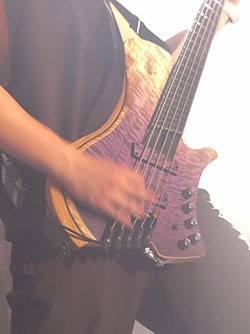
Since I’m a bassist, I used a bass for the audio samples in this comparison. Each recording has been gain-matched.
■ Fingerstyle - Original
■ Fingerstyle - Xvive U2
■ Fingerstyle - Shure GLXD16+
■ Fingerstyle - AKG DMS100
■ Slap - Original
■ Slap - Xvive U2
■ Slap - Shure GLXD16+
■ Slap - AKG DMS100
How Do They Differ in Sound Quality?
All three models support digital transmission. The Xvive U2 and AKG DMS100 operate at 24-bit/48 kHz, while the Shure GLXD16+ operates at 24-bit/44.1 kHz. I had no complaints about the sound quality of any of the models. I actually tried listening to the recordings in a blind comparison, but... honestly, I couldn’t tell the difference!
Those of you with more discerning ears might be able to pick out the differences. Give the actual audio samples a listen and see what you think!
Comparing Latency!
Next, let’s look at latency (the delay in sound transmission), which is always a concern with wireless systems.
I placed the original and wireless-recorded waveforms side by side in Logic Pro and compared their starting positions.
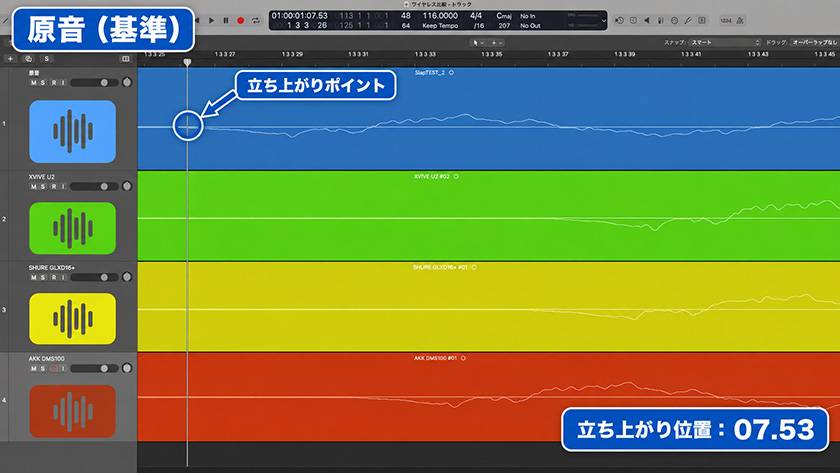
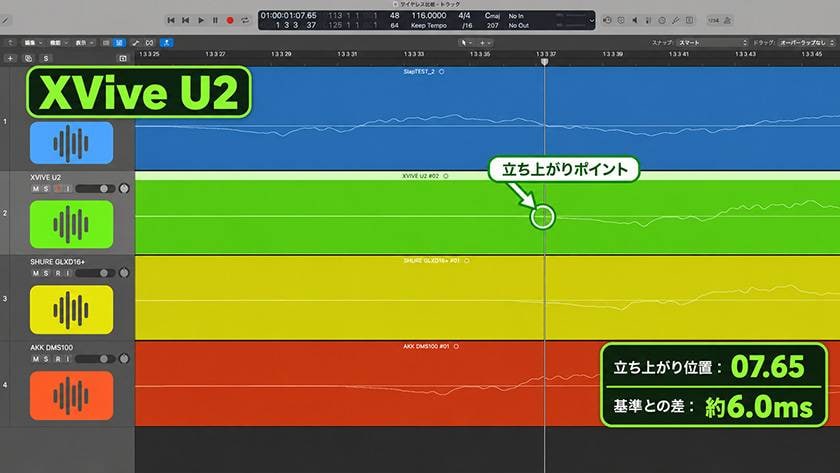
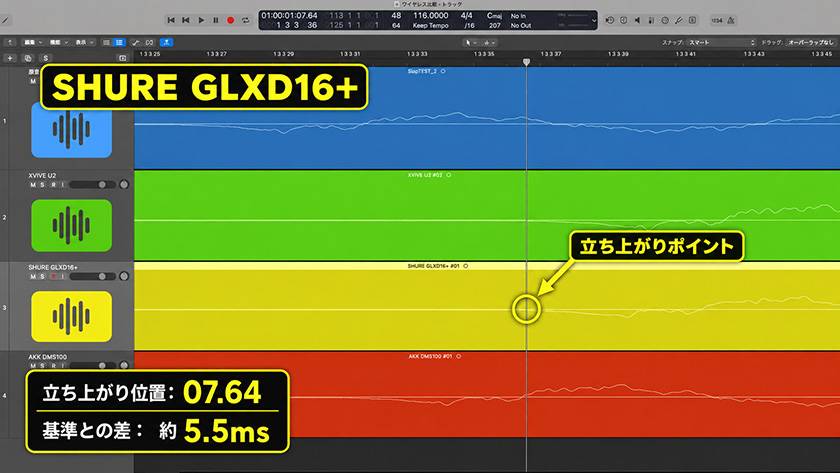
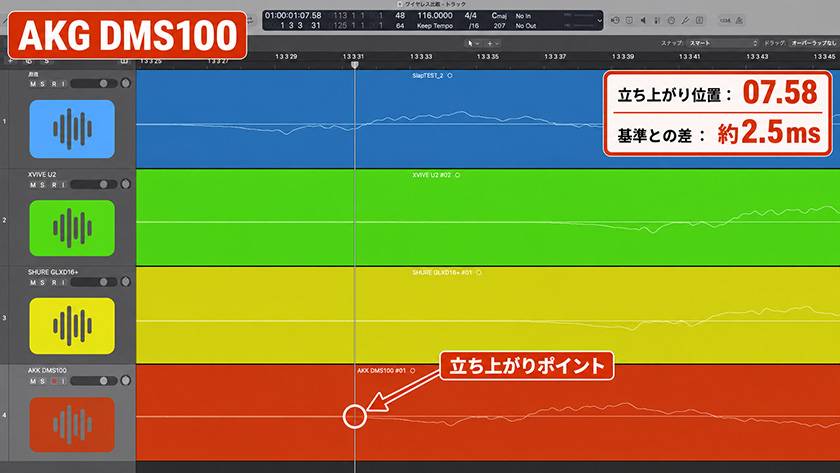
In a simple measurement under the conditions used for this test, I got the following results:
| Model | Measured in This Test | Manufacturer’s Stated Value |
|---|---|---|
| Xvive U2 | Approx. 6 ms | Less than 6 ms |
| SHURE GLXD16+ | Approx. 5.5 ms | Approx. 4.53 ms |
| AKG DMS100 | Approx. 2.5 ms | 2.9 ms or less |
Overall, the results were fairly close to the manufacturers’ stated values.
Although there were some numerical differences between the models, when I connected them to my instrument and played through each one, I honestly found it difficult to notice any difference. All three felt natural to play.
However, if you’re also using a multi-effects processor or an amp simulator on your computer, those devices will introduce additional latency. This varies from person to person, but it’s said that people begin to perceive a delay at around 10 ms. If you’re using other digital equipment in your setup, you’ll need to take the total system latency into account.
*Please note that these figures are reference values based on simple measurements. Although I minimized latency on the DAW side as much as possible, the measurements also include the input/output latency of the audio interface and DAW. This means the actual latency of the wireless systems alone may be somewhat lower. There may also be slight variations depending on the measurement environment.
Conclusion
After comparing the three models in practice, I found that the best choice can vary considerably depending on how you intend to use the system, in addition to factors such as sound quality and latency.
Of course, there are measurable differences and features unique to each model. However, when it comes to actually playing, factors such as the number of channels that can be used simultaneously, budget, intended application, ease of operation, power supply, and design may be more important considerations when making your choice.
Do you prioritize convenience? Do you want to integrate the system into your pedalboard? Or would you prefer a standalone receiver for stable operation? I think a wireless system can make playing much more comfortable as long as you choose a model that suits your playing style.
I hope this comparison will help you choose the right wireless system!
*All three models tested here operate in the 2.4 GHz band.
Since the 2.4 GHz band is also used by Wi-Fi and other technologies, communication may become unstable if you place the system too close to devices that emit radio waves, such as Wi-Fi routers, or crowd multiple wireless devices together more than necessary.
When using these systems at live venues or in studios, be sure to pay attention to the surrounding radio environment and where you position your equipment.







 BOSS ワイヤレス特集
 MOTU オーディオインターフェイス
 BOSS KATANA:GO 特集
 SHURE特設ページ
 SENNHEISER(ゼンハイザー)特集
 AKG ブランドページ
 Discount Sale
 Outlet
 New Arrivals
 Podcast (streaming)
 Headphones / Earphones
 Microphones
 Wireless Equipment
 Speakers
 Power Amps
 Mixers
 Processors
 Portable PA Systems
 Recorders
 Karaoke
 Guitars
 Basses
 Ukuleles
 Drums & Percussion
 Pianos / Synthesizers
 Wind Instruments
 Stringed Instruments
 Japanese Instruments
 Harmonicas, Other
 Software
 DJ & VJ
 Stands
 Cables & Connectors
 Racks & Cases
 Lighting
 Stage & Truss
 Video Equipment
 PC PERIPHERALS
 Power Supplies
 Studio Furniture
 Household Items, Other
 Alcoholic Beverages