


- Processors
- Mic Preamps
- Mic Pre rack type
- DRAWMER/1972 Mic/Line/Instrument Preamp
DRAWMER / 1972 Mic/Line/Instrument Preamp






Variations

In Stock
1960 真空管マイクプリアンプ・コンプレッサー

In Stock
1968 MK2 2ch TUBE/FETコンプレッサー

In Stock
1970 デュアルFETコンプレッサー、マイクプリアンプ

In Stock
1972 マイク/ライン/インストゥルメント・プリアンプ

In Stock
1973 3バンドステレオFETコンプレッサー

In Stock
1974 ステレオ・パラメトリックイコライザー

In Stock
1971 デュアル・パラメトリック・イコライザー

In Stock
1976 2ch 3バンド・サチュレーター/Width

In Stock
1977 チャンネルストリップ

In Stock
1978 2chトーン・シェイピング・FETコンプレッサー

In Stock
1979 チャンネルストリップ

Back Order
DL241フォン 2chオートコンプレッサー

Back Order
DL241XLR 2chオートコンプレッサー

Back Order
DL441 4chコンプレッサー

In Stock
DS101 ノイズゲート

In Stock
DS201 ノイズゲート

Back Order
MXPRO-30 2chゲート/コンプ/リミッター

Back Order
MXPRO-60 チャンネルストリップ

Back Order
SL22 リミッター

In Stock
DA6 ディストリビューションアンプ

Back Order
SP2120 スピーカープロテクター

Special Order
LA12 ディストリビューションアンプ

Back Order
MQ1 モノEQ

In Stock
MQ2 ステレオEQ

In Stock
FC-1

In Stock
OC-1


Capturing Difficult Sources
In addition to standard features found in most preamps, such as phase inversion, the 1972 also includes a wealth of tools to help you record challenging sources, making it easy to achieve the highest quality recordings.
Fully variable LoCut and HiCut controls are included, allowing you to tune into your recording and easily eliminate excess low and high frequencies, removing rumble and hiss. Furthermore, the Shape function allows you to bring out bass or treble using subtle tilt EQ.
Easily Record Low-Level Signals
Developed by Ivor Drawmer, the Lift control is a unique feature now only available on the 1972. Lift is essentially a low-level dynamic gain module that does not affect signals above 0dB. This allows you to record very quiet signals in a transparent and natural way without distortion or clipping in large phrases. It is particularly effective for very dynamic signals and is ideal for recording all vocals, including piano and speech, and capturing the sense of atmosphere.
Variable Microphone Impedance
While there is a general rule that the preamp input impedance should be 10 times the microphone impedance to get the right input impedance for the microphone and avoid overloading the source, it is less well known that mismatches can produce interesting tonal differences that can be used more creatively. The 1972 has three settings per microphone input: 200, 600, and 2400 ohms, allowing you to easily explore a variety of tones. The results will vary depending on the microphone used. This is because some microphones show a clear change in sound quality, while others show almost no change. It also varies depending on the material used.
Features
? Two THAT Corporation ultra-clean microphone preamps with 6dB gain in 6dB steps and +/-12dB trim on the output.
? Separate line and microphone XLR inputs on the rear panel, and a professional-quality instrument DI input on the front panel.
? Suitable for a wide range of sources, from low-end to high-end, including all types of microphones for instruments and studios, as well as ribbon microphones.
? Switchable microphone impedance for precise microphone matching and microphone tone sculpting.
? Abundant features not found in other preamps make it easy to capture hard-to-record sources.
? Unique lift function to boost very small signals without clipping large signals.
? Fully variable LoCut and HiCut filters to tune into the signal and remove unwanted sounds.
? Shape switch for subtle tilt EQ control of bass and treble.
? Phantom power and phase inversion.
? Two backlit analog VU meters with switchable +10dB rescale mode.
? Output time delay relay for clean power up/down.
? Internal low-hum toroidal linear power supply with voltage selector switch.
? Robust steel chassis and aluminum front panel.
? Designed and handcrafted by Drawmer, UK.
■Specifications
INPUT
・・・Input Impedance 20k Ohms or greater
...Maximum Input Level +21dBu
OUTPUT
・・・Output Impedance 100 Ohms
...Maximum Output Level +21dBu into 10k Ohms Load
FREQUENCY RESPONSE
・・・20Hz to 20kHz +/-0.5dB
CROSSTALK < -85dB @ 1kHz
NOISE AT UNITY GAIN
・・・20Hz - 20kHz >92dB
% DISTORTION (THD & NOISE) @ 1kHz
...0dB 0.07%
...10dB 0.07%
MIC EIN -130dB Weighted
POWER REQUIREMENTS
・・・230Volt or 115V at 50-60hZ, 15VA
FUSE RATING
・・・T160mA for 230Volt,
・・・T315mA for 115Volt
・・・Conforming to IEC 127-2
FUSE TYPE
・・・20mm x 5mm, Class 3 Timed-Blo, 250Volt working
CASE SIZE
・・・482mm (W) x 44mm (H) x 200mm (D)
WEIGHT 2.6Kgs
難しい情報源を捉える
位相反転など、ほとんどのプリアンプに見られる標準機能に加えて、1972には、困難なソースを録音するときに役立つ豊富なツールもあり、最高品質の録音を簡単に行うことができます。
完全可変のLoCutおよびHiCutコントロールが含まれており、録音に同調し、低域および高域の余分な信号を除去して、ランブルやヒスを簡単に除去できます。さらに、シェイプ機能により、微妙なティルトEQを使用して低音または高音を引き出すことができます。
低レベルの信号を簡単に記録
Ivor Drawmerによって開発され、現在1972でのみ使用できる独自の機能はリフト・コントロールです。Liftは基本的に、0dBを超える信号には影響を与えない低レベルのダイナミック・ゲインモジュールです。これにより、大きなフレーズで歪みやクリッピングが発生することなく、透明で自然な方法で非常に静かな信号を録音できます。特に非常にダイナミックな信号に効果的で、ピアノやスピーチを含むすべてのボーカルの録音や空気感のキャプチャに最適です。

可変マイクインピーダンス
マイクに適切な入力インピーダンスを取得し、ソースへの負荷を回避するには、プリアンプ入力のインピーダンスをマイクのインピーダンスの10倍にする必要があるという一般的なルールがありますが、ミスマッチがより創造的に使用できる興味深い音色の違いを生み出す可能性があることはあまり知られていません。1972には、マイク入力ごとに200、600、2400オームの3つの設定があり、さまざまなトーンを簡単に探索できます。結果は、使用するマイクによって異なります。音質の変化が明らかなマイクもあれば、ほとんど変わらないマイクもあるからです。また、使用する素材によっても異なります。

特徴
- 2つのTHAT Corporationウルトラ・クリーン・マイクプリは、6dBステップで66dBのゲインを持ち、出力には+/-12dBのトリムが施されています。
- 背面に個別のライン&マイク入力XLRがあり、フロントパネルにはプロ品質の楽器用DI入力があります。
- ローエンドからハイエンドまで、楽器やスタジオのあらゆるタイプのマイク、さらにリボンマイクなど、さまざまなソースで使用できます。
- 正確なマイクマッチングとマイクトーンスカルプティングのための切り替え可能なマイクインピーダンス。
- 他のプリアンプにはない豊富な機能により、録音が困難なソースを簡単にキャプチャできます。
- 大きな信号をクリッピングすることなく、非常に小さな信号をブーストする独自のリフト機能。
- 完全に可変のLoCutおよびHiCutフィルターを使用して、信号に同調し、不要な音を除去します。
- 微妙なチルトEQを使用して低音と高音を制御するためのシェイプ・スイッチ。
- ファンタム電源と位相反転。
- 切り替え可能な+10dBリスケールモードを備えた2つのバックライト付きアナログVUメーター。
- クリーンなパワーアップ/ダウンのための出力の時間遅延リレー。
- 電圧セレクタースイッチ付きの内部低ハム・トロイダル・リニア電源。
- 頑丈なスチール製シャーシとアルミニウム製フロントパネル。
- 英国のDrawmerによってデザインおよび手作りされています。


関連商品
-
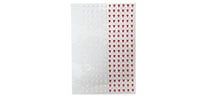 PLAYTECH / Position Seal Red/White
¥250(incl. tax)
 In Stock
商品レビューProduct Review




不適切な投稿として報告しますか?
理由
ご協力ありがとうございました
投稿を削除しますか?
投稿されたレビューを削除しました。
DRAWMER
1972 Mic/Line/Instrument Preamp
Item ID:306647
Regular Price:¥218,000(incl. tax)
¥178,000(incl. tax)

8,900Pt(5%)Detail
- 1,780Pts
通常ポイント
- 7,120Pts
ポイント5倍キャンペーン
- 8,900Pts
Total
限定特価
- In Stock
- In Stock, can be shipped when order is confirmed.
- Low Stock
- Low Stock, may be sold out soon.
- Scheduled date
- Expected to arrive at Sound House on this date.
- TBA
- Expected date of arrival at Sound House to be determined.
- Back Order
- It needs to be orderd from the manufacturer. Please inquire about the estimated date of arrival.
- Mfr. Delivery
- Must be ordered from manufacturer. Please inquire about the estimated date of arrival.
- Download
- Only the serial number will be sent to your registered email address.
- Special Order
- Made to order item or must be ordered from manufacturer. May take several weeks or months.
- No Longer Available
- Product is no longer available due to having been discoutined or other reasons.
Rating


この商品に関連するセレクションRelated Articles

-
 Discount Sale
-
 Outlet
-
 New Arrivals
-
 Podcast (streaming)
-
 Headphones / Earphones
-
 Microphones
-
 Wireless Equipment
-
 Speakers
-
 Power Amps
-
 Mixers
-
 Processors
-
 Portable PA Systems
-
 Recorders
-
 Karaoke
-
 Guitars
-
 Basses
-
 Ukuleles
-
 Drums & Percussion
-
 Pianos / Synthesizers
-
 Wind Instruments
-
 Stringed Instruments
-
 Japanese Instruments
-
 Harmonicas, Other
-
 Software
-
 DJ & VJ
-
 Stands
-
 Cables & Connectors
-
 Racks & Cases
-
 Lighting
-
 Stage & Truss
-
 Video Equipment
-
 PC PERIPHERALS
-
 Power Supplies
-
 Studio Furniture
-
 Household Items, Other
-
 Alcoholic Beverages
Search by Brand
Brand List






- Sound House
- 〒286-0825 14-3 Shinizumi , Narita City, Chiba
- Monday-Friday 10:00-17:00
- Narita Call Center
- TEL. 0476-89-1111
- FAX. 0476-89-2222
- Tokushima Call Center
- TEL. 0885-38-1111
- FAX. 0885-38-1100
- Showroom Hours
- Monday-Friday 10:00-17:00
closed on Saturdays, Sundays and Holidays


© Sound House

すべてのレビューを見る