




- Guitars
- GUITAR EFFECTOR
- Fuzz
- CATALINBREAD/STARCRASH 70
CATALINBREAD / STARCRASH 70
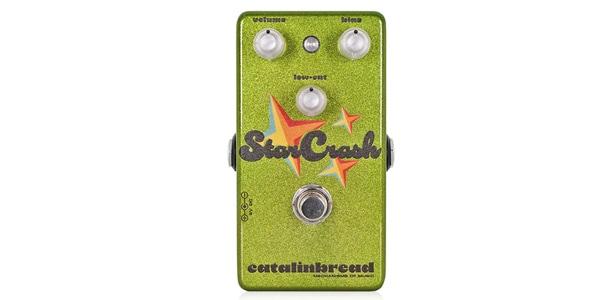
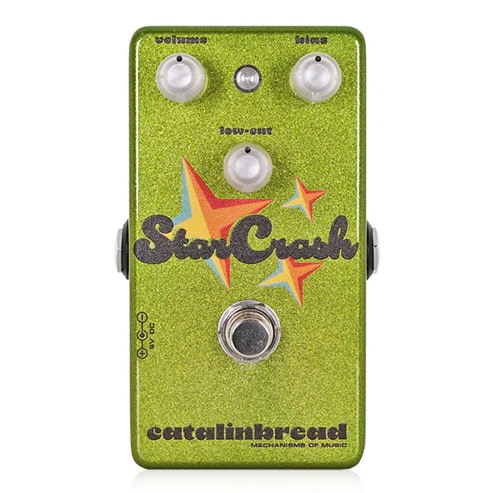
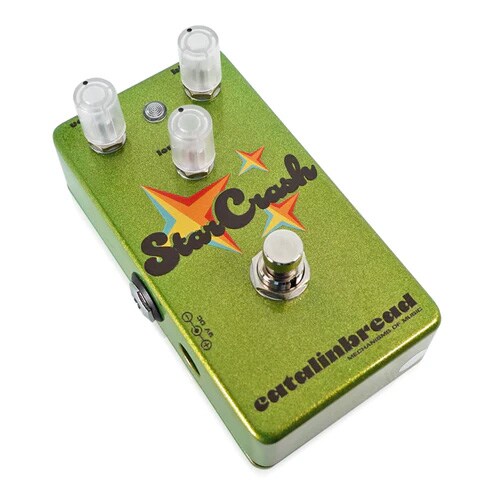


The legendary Fuzz Face effect debuted in 1966 with germanium transistors and by the 70s had been replaced by silicon transistors to stabilise the circuitry. Even with silicon transistors, the power supply circuitry was hardly adapted to the 'new' semiconductors of the time, and the STARCRASH 70 was created in search of the '70s fuzz face that "I wanted from the start".
First, we took away that Fuzz knob. The Fuzz face is now a useless feature, as 95% of all players use the Fuzz knob fully up, while the remaining 5% use their guitar's Volume knob to reduce the gain, leaving it at full up. Next, we added a useful bias control, also known as a 'battery simulator'. The low-cut knob cuts the low frequencies between 40Hz and 500Hz when the knob is turned, and the high-cut knob cuts the low frequencies between 40Hz and 500Hz when the knob is turned.
■ Controls
volume: adjusts the volume.
low-cut: adjusts the filter for low cut at -30Hz (min) to 500Hz (max). The filter cuts at -3dB/oct, so when set to maximum, -3dB at 250Hz and -6dB at 125Hz. At minimum it cuts -3dB at 15Hz, but is not audible to the human ear at 30Hz, so it is not filtered in the audible range, most noticeable after 12 o'clock.
BIAS: Adjusts the character of the fuzz from distortion-like to velcro fuzz. When set to minimum, the sound is rich and resonant, with the bias point of the original fuzz face around 12 o'clock, and when turned up it approaches a velcro fuzz with a jittery, gated feel.
■ Power supply.
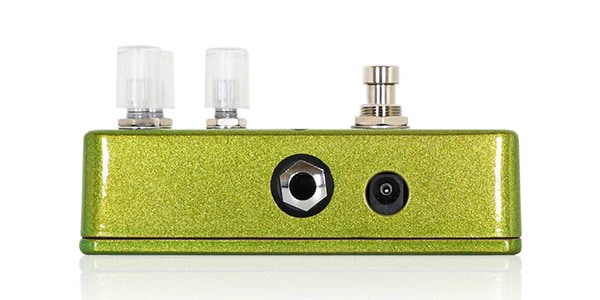
The STARCRASH 70 is powered by a standard centre-minus DC 9V adapter. Batteries are not available.
■ Controls
volume: adjusts the volume.
low-cut: adjusts the filter for low cut at -30Hz (min) to 500Hz (max). The filter cuts at -3dB/oct, so when set to maximum, -3dB at 250Hz and -6dB at 125Hz. At minimum it cuts -3dB at 15Hz, but is not audible to the human ear at 30Hz, so it is not filtered in the audible range, most noticeable after 12 o'clock.
BIAS: Adjusts the character of the fuzz from distortion-like to velcro fuzz. When set to minimum, the sound is rich and resonant, with the bias point of the original fuzz face around 12 o'clock, and when turned up it approaches a velcro fuzz with a jittery, gated feel.
■ Power supply.
The STARCRASH 70 is powered by a standard centre-minus DC 9V adapter. Batteries are not available.
関連商品
-
¥10,500(incl. tax)
 In Stock
 -
¥110(incl. tax)
In Stock -
¥80(incl. tax)
In Stock -
 ELECTRO-HARMONIX / EHX 9V Battery
¥250(incl. tax)
In Stock -
 PLAYTECH / Position Seal Red/White
¥380(incl. tax)
In Stock -
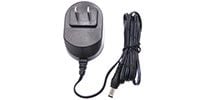 CLASSIC PRO / Power adapter DC9V 0.5A 2.1mm center negative
¥680(incl. tax)
 Back Order
 -
 One Control / HOOK & LOOP - HOOK 1m
¥416(incl. tax)
In Stock -
 One Control / HOOK & LOOP - LOOP 1m
¥416(incl. tax)
In Stock -
¥580(incl. tax)
Back Order -
¥2,750(incl. tax)
In Stock
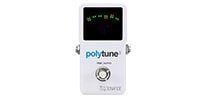 TC ELECTRONIC / Polytune 3
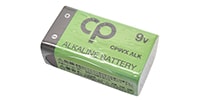 CLASSIC PRO / CP9VX ALK
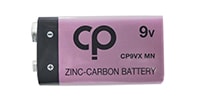 CLASSIC PRO / CP9VXMN
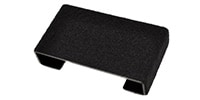 PLAYTECH / Pedal Riser 10
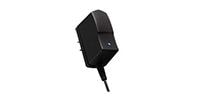 BOSS / PSA-100S2
商品レビューProduct Review




不適切な投稿として報告しますか?
理由
ご協力ありがとうございました
投稿を削除しますか?
投稿されたレビューを削除しました。
CATALINBREAD
STARCRASH 70
Item ID:348022
25,520 yen(incl. tax)

255Pt(1%)Detail
- 255Pts
通常ポイント
- 255Pts
Total
- In Stock
- In Stock, can be shipped when order is confirmed.
- Low Stock
- Low Stock, may be sold out soon.
- Scheduled date
- Expected to arrive at Sound House on this date.
- TBA
- Expected date of arrival at Sound House to be determined.
- Back Order
- It needs to be orderd from the manufacturer. Please inquire about the estimated date of arrival.
- Mfr. Delivery
- Must be ordered from manufacturer. Please inquire about the estimated date of arrival.
- Download
- Only the serial number will be sent to your registered email address.
- Special Order
- Made to order item or must be ordered from manufacturer. May take several weeks or months.
- No Longer Available
- Product is no longer available due to having been discoutined or other reasons.
Rating


この商品に関連するセレクションRelated Articles



-
 Discount Sale
-
 Outlet
-
 New Arrivals
-
 Podcast (streaming)
-
 Headphones / Earphones
-
 Microphones
-
 Wireless Equipment
-
 Speakers
-
 Power Amps
-
 Mixers
-
 Processors
-
 Portable PA Systems
-
 Recorders
-
 Karaoke
-
 Guitars
-
 Basses
-
 Ukuleles
-
 Drums & Percussion
-
 Pianos / Synthesizers
-
 Wind Instruments
-
 Stringed Instruments
-
 Japanese Instruments
-
 Harmonicas, Other
-
 Software
-
 DJ & VJ
-
 Stands
-
 Cables & Connectors
-
 Racks & Cases
-
 Lighting
-
 Stage & Truss
-
 Video Equipment
-
 PC PERIPHERALS
-
 Power Supplies
-
 Studio Furniture
-
 Household Items, Other
-
 Alcoholic Beverages
Search by Brand
Brand List






- Sound House
- 〒286-0825 14-3 Shinizumi , Narita City, Chiba
- Monday-Friday 10:00-17:00
- Narita Call Center
- TEL. 0476-89-1111
- FAX. 0476-89-2222
- Tokushima Call Center
- TEL. 0885-38-1111
- FAX. 0885-38-1100
- Showroom Hours
- Monday-Friday 10:00-17:00
closed on Saturdays, Sundays and Holidays


© Sound House

すべてのレビューを見る